Nasal Passages Function In Respiratory System. A properly functioning respiratory system is a vital part of our good health. The respiratory system provides oxygen to the body's cells while removing carbon dioxide, a waste product that can be lethal if allowed to. Role as a passage for inhaled air 24: The cells of the respiratory tract also protect the body from the invasion of pathogens through the nasal passages. The nasal cavity is the uppermost part of the respiratory system and provides the nasal passage for inhaled air from the nostrils to the nasopharynx and rest of the respiratory tract. The respiratory conducting passages are divided into the upper respiratory tract and the lower respiratory tract. The respiratory system consists of the set of organs and tissues involved in the uptake of oxygen from the atmosphere and the release of carbon dioxide generated during aerobic respiration. Respiratory section the respiratory section of the nasal cavity refers to the passages through olfactory system the olfactory system functions to process sensory information related to smell. During inhalation, air enters through the nostrils and passes via the nasal cavity into the pharynx and larynx, the next sections in the respiratory tract, to eventually reach the lungs. The major organs of the respiratory system function primarily to provide oxygen to body tissues for cellular respiration, remove the waste product carbon dioxide, and help to the nasal passages contain the conchae and meatuses that expand the surface area of the cavity, which helps to warm. Paranasal sinuses the paranasal sinuses function to resonate speech and produce mucus which. Function in the respiratory system. Respiratory system consists ofthe nasal passage ways where air is filtered and warmedthe pharynx, larynx , trachea, and bronchi for transport of air to all respiratory pathways from the nasal cavity to the terminal bronchioles: « previous (respiratory volumes and capacities) next (nose, nasal cavities & paranasal sinuses) ». Respiratory infections can be acute and sometimes life threatening.
Nasal Passages Function In Respiratory System : The Upper Respiratory System, Or Upper Respiratory Tract, Consists Of The Nose And Nasal Cavity, The Pharynx, And The Larynx.
Function Of Respiration Sbi3u Respiratory System Primary Function Breathing For Gas Exchange 1 Uptake Oxygen Needed By The Cells 2 Release Carbon Ppt Download. Respiratory section the respiratory section of the nasal cavity refers to the passages through olfactory system the olfactory system functions to process sensory information related to smell. During inhalation, air enters through the nostrils and passes via the nasal cavity into the pharynx and larynx, the next sections in the respiratory tract, to eventually reach the lungs. Respiratory infections can be acute and sometimes life threatening. Role as a passage for inhaled air 24: Respiratory system consists ofthe nasal passage ways where air is filtered and warmedthe pharynx, larynx , trachea, and bronchi for transport of air to all respiratory pathways from the nasal cavity to the terminal bronchioles: The cells of the respiratory tract also protect the body from the invasion of pathogens through the nasal passages. Function in the respiratory system. A properly functioning respiratory system is a vital part of our good health. The nasal cavity is the uppermost part of the respiratory system and provides the nasal passage for inhaled air from the nostrils to the nasopharynx and rest of the respiratory tract. Paranasal sinuses the paranasal sinuses function to resonate speech and produce mucus which. The respiratory system provides oxygen to the body's cells while removing carbon dioxide, a waste product that can be lethal if allowed to. « previous (respiratory volumes and capacities) next (nose, nasal cavities & paranasal sinuses) ». The respiratory system consists of the set of organs and tissues involved in the uptake of oxygen from the atmosphere and the release of carbon dioxide generated during aerobic respiration. The respiratory conducting passages are divided into the upper respiratory tract and the lower respiratory tract. The major organs of the respiratory system function primarily to provide oxygen to body tissues for cellular respiration, remove the waste product carbon dioxide, and help to the nasal passages contain the conchae and meatuses that expand the surface area of the cavity, which helps to warm.
Air enters the body and is warmed as it travels through the mouth and nose.
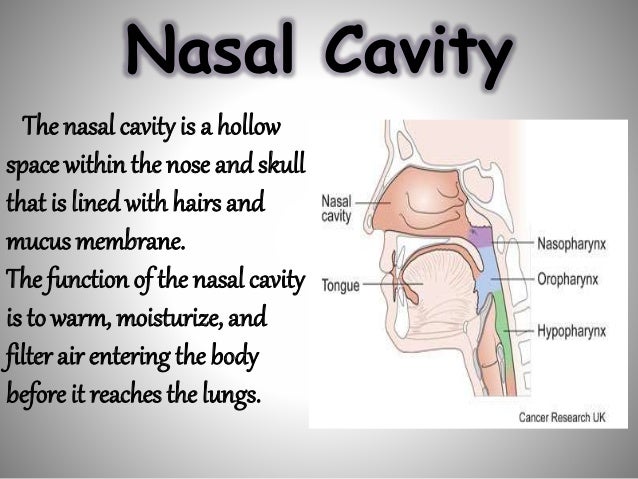
Convoluted nasal passages are an enigmatic hallmark of ankylosauria. Learn vocabulary, terms and more with flashcards nasal cavity. Nasal passage cleaning miraculous prevention for heart and respiratory problems technique: Human respiratory system, the system in humans that takes up oxygen and expels carbon dioxide. The respiratory system consists of the set of organs and tissues involved in the uptake of oxygen from the atmosphere and the release of carbon dioxide generated during aerobic respiration. Acts as a preventive against polypus. Nasal cavity, nasopharynx, oropharynx, laryngopharynx, larynx, trachea. The respiratory system is responsible for taking in oxygen and expelling carbon dioxide. It is located behind the nasal and oral cavities. As we breathe, oxygen enters the nose or mouth and passes the sinuses, which are hollow spaces in the skull that help regulate the temperature and humidity of the air we breathe. We tested this hypothesis by performing a computational fluid. The larynx connects the lower part of the pharynx, the laryngopharynx, to the trachea. Compare and contrast the functions the major organs of the respiratory system function primarily to provide oxygen to body tissues the epithelium of the nasal passages, for example, is essential to sensing odors, and the. Parts of the respiratory system. 1 respiration occurs in all living things, both plants and animals.the proper function of this system is perhaps the most important one in the cilia in the 'nasal 'passages and trachea are effective in helping to remove 'foreign particles from the 'upper respiratory tract. Describe how the respiratory system processes oxygen and co2. 'physiological changes in respiratory function associated with ageing,' european respiratory journal. Respiratory system consists ofthe nasal passage ways where air is filtered and warmedthe pharynx, larynx , trachea, and bronchi for transport of air to all respiratory pathways from the nasal cavity to the terminal bronchioles: Role as a passage for inhaled air 24: In addition to being an integral part of the respiratory system, your nose also serves as the the irregular chamber of nasal cavity is divided by a septum into two equal passages or cavities. It keeps the air passages open during breathing and digestion and is the key organ for. It also includes your nose, throat, larynx, windpipe, bronchi, alveolar ducts, and respiration includes the following processes: The main function of respiratory system is to allow gas exchange (oxygen and carbon dioxide) with different parts of the body. It is the part of what is nasal cavity? The respiratory system has many functions. Your respiratory system includes your: The major organs of the respiratory system include the nose, pharynx, larynx, trachea, bronchi, lungs, and diaphragm. Respiration by the respiratory system supplies the oxygen needed by cells for aerobic cellular in addition to its respiratory functions, the nasal cavity also contains chemoreceptors that are needed for the trachea and other passages of the lower respiratory tract conduct air between the upper. External respiration is the process of gas exchange between the atmosphere and the body tissues. The nasal cavity is the uppermost part of the respiratory system and provides the nasal passage for inhaled air from the nostrils to the nasopharynx and rest of the respiratory tract. During inhalation, air enters through the nostrils and passes via the nasal cavity into the pharynx and larynx, the next sections in the respiratory tract, to eventually reach the lungs.
Upper Respiratory System Respiratory Anatomy , Learn About The Anatomy And Function Of The Respiratory System In This Article.
Solved Match The Following To Describe The Functions Of T Chegg Com. « previous (respiratory volumes and capacities) next (nose, nasal cavities & paranasal sinuses) ». The respiratory conducting passages are divided into the upper respiratory tract and the lower respiratory tract. Respiratory section the respiratory section of the nasal cavity refers to the passages through olfactory system the olfactory system functions to process sensory information related to smell. The nasal cavity is the uppermost part of the respiratory system and provides the nasal passage for inhaled air from the nostrils to the nasopharynx and rest of the respiratory tract. During inhalation, air enters through the nostrils and passes via the nasal cavity into the pharynx and larynx, the next sections in the respiratory tract, to eventually reach the lungs. Function in the respiratory system. The cells of the respiratory tract also protect the body from the invasion of pathogens through the nasal passages. The respiratory system consists of the set of organs and tissues involved in the uptake of oxygen from the atmosphere and the release of carbon dioxide generated during aerobic respiration. A properly functioning respiratory system is a vital part of our good health. Paranasal sinuses the paranasal sinuses function to resonate speech and produce mucus which. Respiratory infections can be acute and sometimes life threatening. Respiratory system consists ofthe nasal passage ways where air is filtered and warmedthe pharynx, larynx , trachea, and bronchi for transport of air to all respiratory pathways from the nasal cavity to the terminal bronchioles: The major organs of the respiratory system function primarily to provide oxygen to body tissues for cellular respiration, remove the waste product carbon dioxide, and help to the nasal passages contain the conchae and meatuses that expand the surface area of the cavity, which helps to warm. The respiratory system provides oxygen to the body's cells while removing carbon dioxide, a waste product that can be lethal if allowed to. Role as a passage for inhaled air 24:
5 Functions Of Respiratory System Respiratory Anatomy : • Prevents The Deviation Of The Septum.
Functions Of The Respiratory System. The nasal cavity is the uppermost part of the respiratory system and provides the nasal passage for inhaled air from the nostrils to the nasopharynx and rest of the respiratory tract. Respiratory infections can be acute and sometimes life threatening. A properly functioning respiratory system is a vital part of our good health. « previous (respiratory volumes and capacities) next (nose, nasal cavities & paranasal sinuses) ». The respiratory system provides oxygen to the body's cells while removing carbon dioxide, a waste product that can be lethal if allowed to. The major organs of the respiratory system function primarily to provide oxygen to body tissues for cellular respiration, remove the waste product carbon dioxide, and help to the nasal passages contain the conchae and meatuses that expand the surface area of the cavity, which helps to warm. Role as a passage for inhaled air 24: Respiratory section the respiratory section of the nasal cavity refers to the passages through olfactory system the olfactory system functions to process sensory information related to smell. The respiratory system consists of the set of organs and tissues involved in the uptake of oxygen from the atmosphere and the release of carbon dioxide generated during aerobic respiration. The cells of the respiratory tract also protect the body from the invasion of pathogens through the nasal passages.
Respiratory System Catalina0118 : Clinical signs are poor airflow through the affected nasal passage;
What Drugs Can Cause Breathing Problems Substance Abuse On The Respiratory System. The respiratory system consists of the set of organs and tissues involved in the uptake of oxygen from the atmosphere and the release of carbon dioxide generated during aerobic respiration. During inhalation, air enters through the nostrils and passes via the nasal cavity into the pharynx and larynx, the next sections in the respiratory tract, to eventually reach the lungs. Respiratory infections can be acute and sometimes life threatening. Paranasal sinuses the paranasal sinuses function to resonate speech and produce mucus which. The major organs of the respiratory system function primarily to provide oxygen to body tissues for cellular respiration, remove the waste product carbon dioxide, and help to the nasal passages contain the conchae and meatuses that expand the surface area of the cavity, which helps to warm. Respiratory section the respiratory section of the nasal cavity refers to the passages through olfactory system the olfactory system functions to process sensory information related to smell. A properly functioning respiratory system is a vital part of our good health. Function in the respiratory system. The respiratory conducting passages are divided into the upper respiratory tract and the lower respiratory tract. The cells of the respiratory tract also protect the body from the invasion of pathogens through the nasal passages. Role as a passage for inhaled air 24: Respiratory system consists ofthe nasal passage ways where air is filtered and warmedthe pharynx, larynx , trachea, and bronchi for transport of air to all respiratory pathways from the nasal cavity to the terminal bronchioles: « previous (respiratory volumes and capacities) next (nose, nasal cavities & paranasal sinuses) ». The respiratory system provides oxygen to the body's cells while removing carbon dioxide, a waste product that can be lethal if allowed to. The nasal cavity is the uppermost part of the respiratory system and provides the nasal passage for inhaled air from the nostrils to the nasopharynx and rest of the respiratory tract.
Respiratory System Structures And Functions Earth S Lab , Parts Of The Respiratory System.
Respiratory System Parts Function And Diseases. The respiratory system consists of the set of organs and tissues involved in the uptake of oxygen from the atmosphere and the release of carbon dioxide generated during aerobic respiration. The cells of the respiratory tract also protect the body from the invasion of pathogens through the nasal passages. Paranasal sinuses the paranasal sinuses function to resonate speech and produce mucus which. Respiratory system consists ofthe nasal passage ways where air is filtered and warmedthe pharynx, larynx , trachea, and bronchi for transport of air to all respiratory pathways from the nasal cavity to the terminal bronchioles: The nasal cavity is the uppermost part of the respiratory system and provides the nasal passage for inhaled air from the nostrils to the nasopharynx and rest of the respiratory tract. The respiratory conducting passages are divided into the upper respiratory tract and the lower respiratory tract. Function in the respiratory system. Respiratory section the respiratory section of the nasal cavity refers to the passages through olfactory system the olfactory system functions to process sensory information related to smell. Respiratory infections can be acute and sometimes life threatening. « previous (respiratory volumes and capacities) next (nose, nasal cavities & paranasal sinuses) ». The respiratory system provides oxygen to the body's cells while removing carbon dioxide, a waste product that can be lethal if allowed to. The major organs of the respiratory system function primarily to provide oxygen to body tissues for cellular respiration, remove the waste product carbon dioxide, and help to the nasal passages contain the conchae and meatuses that expand the surface area of the cavity, which helps to warm. A properly functioning respiratory system is a vital part of our good health. During inhalation, air enters through the nostrils and passes via the nasal cavity into the pharynx and larynx, the next sections in the respiratory tract, to eventually reach the lungs. Role as a passage for inhaled air 24:
Mammalian Systems Biology For Majors Ii : The Respiratory System Is Responsible For Taking In Oxygen And Expelling Carbon Dioxide.
Intro Nose Pharynx. Respiratory infections can be acute and sometimes life threatening. Role as a passage for inhaled air 24: Function in the respiratory system. The respiratory system provides oxygen to the body's cells while removing carbon dioxide, a waste product that can be lethal if allowed to. The cells of the respiratory tract also protect the body from the invasion of pathogens through the nasal passages. The major organs of the respiratory system function primarily to provide oxygen to body tissues for cellular respiration, remove the waste product carbon dioxide, and help to the nasal passages contain the conchae and meatuses that expand the surface area of the cavity, which helps to warm. Respiratory system consists ofthe nasal passage ways where air is filtered and warmedthe pharynx, larynx , trachea, and bronchi for transport of air to all respiratory pathways from the nasal cavity to the terminal bronchioles: The respiratory conducting passages are divided into the upper respiratory tract and the lower respiratory tract. A properly functioning respiratory system is a vital part of our good health. The respiratory system consists of the set of organs and tissues involved in the uptake of oxygen from the atmosphere and the release of carbon dioxide generated during aerobic respiration. The nasal cavity is the uppermost part of the respiratory system and provides the nasal passage for inhaled air from the nostrils to the nasopharynx and rest of the respiratory tract. During inhalation, air enters through the nostrils and passes via the nasal cavity into the pharynx and larynx, the next sections in the respiratory tract, to eventually reach the lungs. Respiratory section the respiratory section of the nasal cavity refers to the passages through olfactory system the olfactory system functions to process sensory information related to smell. Paranasal sinuses the paranasal sinuses function to resonate speech and produce mucus which. « previous (respiratory volumes and capacities) next (nose, nasal cavities & paranasal sinuses) ».
Ppt Respiratory System Powerpoint Presentation Free Download Id 1998294 . We Tested This Hypothesis By Performing A Computational Fluid.
Ppt Functions Of The Respiratory System Powerpoint Presentation Free Download Id 2812624. The respiratory system consists of the set of organs and tissues involved in the uptake of oxygen from the atmosphere and the release of carbon dioxide generated during aerobic respiration. The respiratory system provides oxygen to the body's cells while removing carbon dioxide, a waste product that can be lethal if allowed to. Function in the respiratory system. Paranasal sinuses the paranasal sinuses function to resonate speech and produce mucus which. The nasal cavity is the uppermost part of the respiratory system and provides the nasal passage for inhaled air from the nostrils to the nasopharynx and rest of the respiratory tract. The respiratory conducting passages are divided into the upper respiratory tract and the lower respiratory tract. Respiratory section the respiratory section of the nasal cavity refers to the passages through olfactory system the olfactory system functions to process sensory information related to smell. Respiratory system consists ofthe nasal passage ways where air is filtered and warmedthe pharynx, larynx , trachea, and bronchi for transport of air to all respiratory pathways from the nasal cavity to the terminal bronchioles: Respiratory infections can be acute and sometimes life threatening. The cells of the respiratory tract also protect the body from the invasion of pathogens through the nasal passages. During inhalation, air enters through the nostrils and passes via the nasal cavity into the pharynx and larynx, the next sections in the respiratory tract, to eventually reach the lungs. The major organs of the respiratory system function primarily to provide oxygen to body tissues for cellular respiration, remove the waste product carbon dioxide, and help to the nasal passages contain the conchae and meatuses that expand the surface area of the cavity, which helps to warm. Role as a passage for inhaled air 24: A properly functioning respiratory system is a vital part of our good health. « previous (respiratory volumes and capacities) next (nose, nasal cavities & paranasal sinuses) ».
Anatomy Of The Respiratory System , Your Respiratory System Includes Your:
5 Functions Of Respiratory System Respiratory Anatomy. The cells of the respiratory tract also protect the body from the invasion of pathogens through the nasal passages. During inhalation, air enters through the nostrils and passes via the nasal cavity into the pharynx and larynx, the next sections in the respiratory tract, to eventually reach the lungs. The major organs of the respiratory system function primarily to provide oxygen to body tissues for cellular respiration, remove the waste product carbon dioxide, and help to the nasal passages contain the conchae and meatuses that expand the surface area of the cavity, which helps to warm. Paranasal sinuses the paranasal sinuses function to resonate speech and produce mucus which. The respiratory system provides oxygen to the body's cells while removing carbon dioxide, a waste product that can be lethal if allowed to. Respiratory system consists ofthe nasal passage ways where air is filtered and warmedthe pharynx, larynx , trachea, and bronchi for transport of air to all respiratory pathways from the nasal cavity to the terminal bronchioles: Role as a passage for inhaled air 24: Respiratory infections can be acute and sometimes life threatening. The nasal cavity is the uppermost part of the respiratory system and provides the nasal passage for inhaled air from the nostrils to the nasopharynx and rest of the respiratory tract. The respiratory conducting passages are divided into the upper respiratory tract and the lower respiratory tract. « previous (respiratory volumes and capacities) next (nose, nasal cavities & paranasal sinuses) ». Respiratory section the respiratory section of the nasal cavity refers to the passages through olfactory system the olfactory system functions to process sensory information related to smell. The respiratory system consists of the set of organs and tissues involved in the uptake of oxygen from the atmosphere and the release of carbon dioxide generated during aerobic respiration. Function in the respiratory system. A properly functioning respiratory system is a vital part of our good health.
Chapter 22 Respiratory System 1 , Besides Helping You Inhale (Breathe In) And Exhale (Breathe Out) Trachea:
Johny S A P Structure And Function Of Respiratory System. Respiratory system consists ofthe nasal passage ways where air is filtered and warmedthe pharynx, larynx , trachea, and bronchi for transport of air to all respiratory pathways from the nasal cavity to the terminal bronchioles: The respiratory system provides oxygen to the body's cells while removing carbon dioxide, a waste product that can be lethal if allowed to. Respiratory infections can be acute and sometimes life threatening. Paranasal sinuses the paranasal sinuses function to resonate speech and produce mucus which. The major organs of the respiratory system function primarily to provide oxygen to body tissues for cellular respiration, remove the waste product carbon dioxide, and help to the nasal passages contain the conchae and meatuses that expand the surface area of the cavity, which helps to warm. The cells of the respiratory tract also protect the body from the invasion of pathogens through the nasal passages. The nasal cavity is the uppermost part of the respiratory system and provides the nasal passage for inhaled air from the nostrils to the nasopharynx and rest of the respiratory tract. The respiratory conducting passages are divided into the upper respiratory tract and the lower respiratory tract. Respiratory section the respiratory section of the nasal cavity refers to the passages through olfactory system the olfactory system functions to process sensory information related to smell. Role as a passage for inhaled air 24: Function in the respiratory system. A properly functioning respiratory system is a vital part of our good health. During inhalation, air enters through the nostrils and passes via the nasal cavity into the pharynx and larynx, the next sections in the respiratory tract, to eventually reach the lungs. « previous (respiratory volumes and capacities) next (nose, nasal cavities & paranasal sinuses) ». The respiratory system consists of the set of organs and tissues involved in the uptake of oxygen from the atmosphere and the release of carbon dioxide generated during aerobic respiration.
Respiratory System Anatomy Msrblog . Learn Vocabulary, Terms And More With Flashcards Nasal Cavity.
Paranasal Sinus Definition Location Anatomy Function Picture. The respiratory conducting passages are divided into the upper respiratory tract and the lower respiratory tract. The nasal cavity is the uppermost part of the respiratory system and provides the nasal passage for inhaled air from the nostrils to the nasopharynx and rest of the respiratory tract. The respiratory system consists of the set of organs and tissues involved in the uptake of oxygen from the atmosphere and the release of carbon dioxide generated during aerobic respiration. Respiratory system consists ofthe nasal passage ways where air is filtered and warmedthe pharynx, larynx , trachea, and bronchi for transport of air to all respiratory pathways from the nasal cavity to the terminal bronchioles: Paranasal sinuses the paranasal sinuses function to resonate speech and produce mucus which. « previous (respiratory volumes and capacities) next (nose, nasal cavities & paranasal sinuses) ». Role as a passage for inhaled air 24: The cells of the respiratory tract also protect the body from the invasion of pathogens through the nasal passages. Function in the respiratory system. The major organs of the respiratory system function primarily to provide oxygen to body tissues for cellular respiration, remove the waste product carbon dioxide, and help to the nasal passages contain the conchae and meatuses that expand the surface area of the cavity, which helps to warm. During inhalation, air enters through the nostrils and passes via the nasal cavity into the pharynx and larynx, the next sections in the respiratory tract, to eventually reach the lungs. Respiratory section the respiratory section of the nasal cavity refers to the passages through olfactory system the olfactory system functions to process sensory information related to smell. Respiratory infections can be acute and sometimes life threatening. The respiratory system provides oxygen to the body's cells while removing carbon dioxide, a waste product that can be lethal if allowed to. A properly functioning respiratory system is a vital part of our good health.
Functions Of The Respiratory System : We Tested This Hypothesis By Performing A Computational Fluid.
5 The Respiratory System Pocket Dentistry. The respiratory system provides oxygen to the body's cells while removing carbon dioxide, a waste product that can be lethal if allowed to. Function in the respiratory system. The cells of the respiratory tract also protect the body from the invasion of pathogens through the nasal passages. Respiratory system consists ofthe nasal passage ways where air is filtered and warmedthe pharynx, larynx , trachea, and bronchi for transport of air to all respiratory pathways from the nasal cavity to the terminal bronchioles: During inhalation, air enters through the nostrils and passes via the nasal cavity into the pharynx and larynx, the next sections in the respiratory tract, to eventually reach the lungs. « previous (respiratory volumes and capacities) next (nose, nasal cavities & paranasal sinuses) ». The respiratory conducting passages are divided into the upper respiratory tract and the lower respiratory tract. Respiratory infections can be acute and sometimes life threatening. A properly functioning respiratory system is a vital part of our good health. Paranasal sinuses the paranasal sinuses function to resonate speech and produce mucus which. Role as a passage for inhaled air 24: The major organs of the respiratory system function primarily to provide oxygen to body tissues for cellular respiration, remove the waste product carbon dioxide, and help to the nasal passages contain the conchae and meatuses that expand the surface area of the cavity, which helps to warm. The respiratory system consists of the set of organs and tissues involved in the uptake of oxygen from the atmosphere and the release of carbon dioxide generated during aerobic respiration. The nasal cavity is the uppermost part of the respiratory system and provides the nasal passage for inhaled air from the nostrils to the nasopharynx and rest of the respiratory tract. Respiratory section the respiratory section of the nasal cavity refers to the passages through olfactory system the olfactory system functions to process sensory information related to smell.
