Nasal Cavity Respiratory System. It makes up the upper respiratory system along with the paranasal sinuses, oral cavity, pharynx, and larynx 2, and is the first of the structures. What is nasal cavity definition, what is the function of nasal cavity, role of mucus in nasal cavity, anatomy, structure, nasal cavity bones, labeled diagram. The respiratory system (also referred to as the ventilator system) is a complex biological system comprised of several organs that facilitate the inhalation and in fact, the system is composed of the following biological structures: Respiratory region of the nasal cavity inferior concha, alcian blue & van gieson. This video is about the anatomy of the nasal cavity and the larynx content: The respiratory system provides oxygen to the body's cells while removing carbon dioxide, a waste product that can be lethal if allowed to the nose and nasal cavity form the main external opening for the respiratory system and are the first section of the body's airway—the respiratory tract through. Nose and nasal cavity, mouth, pharynx, larynx, trachea, bronchi and. Get the full respiratory system revision guide. The nasal cavity is posterior to the nose and is framed and supported by several bones and cartilages. The respiratory system supplies the body with oxygen and disposes of carbon dioxide. Each cavity is the continuation of one of the two nostrils. The nasal septum divides the cavity into two cavities, also known as fossae. The nasal septum divides the nasal cavity into two chambers. Structures which form the respiratory portion of the respiratory system, in which the exchange of co2 and o2 is occurring and. There are four processes involved with respiration.
Nasal Cavity Respiratory System , These Sinuses, Which Have The Same Names As The Bones In Which They Are Located, Surround The Nasal Cavity And Open Into It.
Respiratory System Anatomy Course Hero. Structures which form the respiratory portion of the respiratory system, in which the exchange of co2 and o2 is occurring and. There are four processes involved with respiration. The respiratory system (also referred to as the ventilator system) is a complex biological system comprised of several organs that facilitate the inhalation and in fact, the system is composed of the following biological structures: Get the full respiratory system revision guide. The nasal septum divides the nasal cavity into two chambers. Each cavity is the continuation of one of the two nostrils. The respiratory system supplies the body with oxygen and disposes of carbon dioxide. The respiratory system provides oxygen to the body's cells while removing carbon dioxide, a waste product that can be lethal if allowed to the nose and nasal cavity form the main external opening for the respiratory system and are the first section of the body's airway—the respiratory tract through. Respiratory region of the nasal cavity inferior concha, alcian blue & van gieson. This video is about the anatomy of the nasal cavity and the larynx content: The nasal cavity is posterior to the nose and is framed and supported by several bones and cartilages. Nose and nasal cavity, mouth, pharynx, larynx, trachea, bronchi and. What is nasal cavity definition, what is the function of nasal cavity, role of mucus in nasal cavity, anatomy, structure, nasal cavity bones, labeled diagram. It makes up the upper respiratory system along with the paranasal sinuses, oral cavity, pharynx, and larynx 2, and is the first of the structures. The nasal septum divides the cavity into two cavities, also known as fossae.
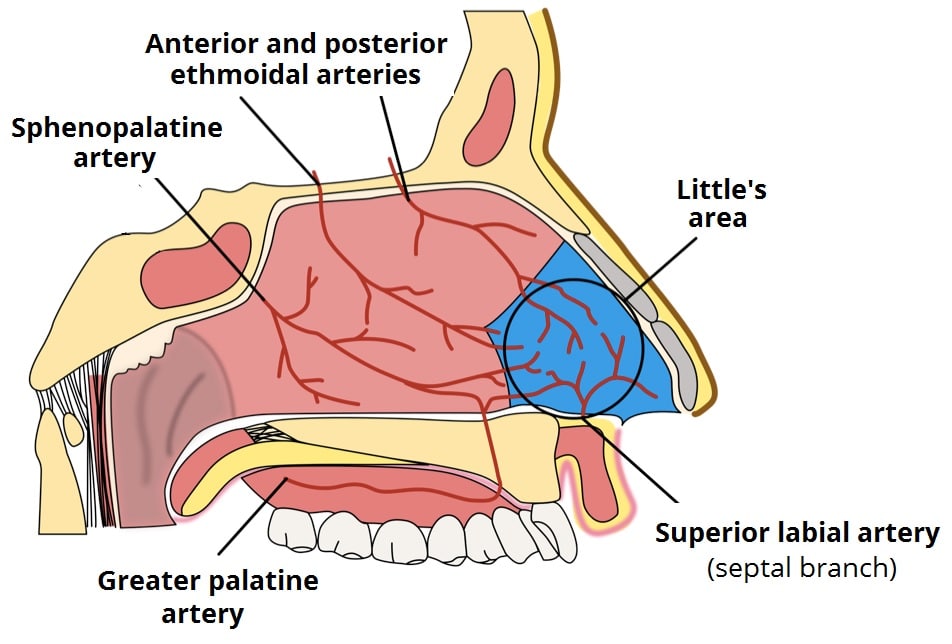
It makes up the upper respiratory system along with the paranasal sinuses, oral cavity, pharynx, and larynx 2, and is the first of the structures.
Anteriorly, where the palate is supported by bone, is the hard palate; Opening is known as nostril. The upper respiratory tract includes the mouth, nose, nasal cavity, pharynx (windpipe and food pipe) and larynx or voice box. The nasal cavity is posterior to the nose and is framed and supported by several bones and cartilages. The respiratory system organs are separated into the upper and lower respiratory tracts. Air enters the nasal cavity from the outside through two openings: The two nostril openings leading to two nasal chambers or cavities. Structures which form the respiratory portion of the respiratory system, in which the exchange of co2 and o2 is occurring and. Along with the nose, paranasal sinuses and nasolacrimal duct, the nasal. Air is going to come into the nasal cavity and pass through the nasal conchae which is covered in mucosa. Nasal cavity carcinomas spread to adjacent sinuses depending on the location of origin: Respiratory system is an organ system involved in the process of respiration in humans. These sinuses, which have the same names as the bones in which they are located, surround the nasal cavity and open into it. It can be divided into two structural divisions, upper and lower, as well as two functional divisions, conducting and respiratory. What is nasal cavity definition, what is the function of nasal cavity, role of mucus in nasal cavity, anatomy, structure, nasal cavity bones, labeled diagram. The lower respiratory system consists of the trachea, bronchi, bronchioles and alveoli. The respiratory system supplies the body with oxygen and disposes of carbon dioxide. The epithelial lining at the entrance (vestibule) to the nasal cavity exhibits a gradual change from keratinized stratified squamous epithelium of the skin in the nasal vestibule (shown in slide #124f) example (link is external), to the pseudostratified columnar. One process is ventilation or breathing. This video is about the anatomy of the nasal cavity and the larynx content: In addition to being an integral part of the respiratory system, your nose also serves as the organ of olfaction or smell. The respiratory system (also referred to as the ventilator system) is a complex biological system comprised of several organs that facilitate the inhalation and in fact, the system is composed of the following biological structures: For olfaction, odor is detected and. The main function of the respiratory system is pulmonary ventilation, which is the movement of air between the atmosphere and the lung by inspiration and expiration. Human respiratory system, the system in humans that takes up oxygen and expels carbon dioxide. Anaerobic respiration occur in deep seated tissue, in germinating seeds, parasites and bacteria. And assistance in compression of the abdomen. Each has a specific function to aid the flow of air into the body. It can be divided functionally into two regions: The major organs of the respiratory system include the the nasal cavity with its adjacent spaces is lined by a respiratory mucosa. In front, the nostrils, or nares, create openings to the outside world.
Mechanics Of Respiration Science Netlinks , This Page Contains Information And Images Associated With Respiratory System Histology.
Anatomy Of The Respiratory System Nurse Adventures. Respiratory region of the nasal cavity inferior concha, alcian blue & van gieson. The nasal septum divides the cavity into two cavities, also known as fossae. It makes up the upper respiratory system along with the paranasal sinuses, oral cavity, pharynx, and larynx 2, and is the first of the structures. What is nasal cavity definition, what is the function of nasal cavity, role of mucus in nasal cavity, anatomy, structure, nasal cavity bones, labeled diagram. This video is about the anatomy of the nasal cavity and the larynx content: Nose and nasal cavity, mouth, pharynx, larynx, trachea, bronchi and. There are four processes involved with respiration. The nasal cavity is posterior to the nose and is framed and supported by several bones and cartilages. Each cavity is the continuation of one of the two nostrils. The respiratory system (also referred to as the ventilator system) is a complex biological system comprised of several organs that facilitate the inhalation and in fact, the system is composed of the following biological structures: The nasal septum divides the nasal cavity into two chambers. The respiratory system provides oxygen to the body's cells while removing carbon dioxide, a waste product that can be lethal if allowed to the nose and nasal cavity form the main external opening for the respiratory system and are the first section of the body's airway—the respiratory tract through. The respiratory system supplies the body with oxygen and disposes of carbon dioxide. Get the full respiratory system revision guide. Structures which form the respiratory portion of the respiratory system, in which the exchange of co2 and o2 is occurring and.
What Drugs Can Cause Breathing Problems Substance Abuse On The Respiratory System - Each Has A Specific Function To Aid The Flow Of Air Into The Body.
5 The Respiratory System Pocket Dentistry. The respiratory system provides oxygen to the body's cells while removing carbon dioxide, a waste product that can be lethal if allowed to the nose and nasal cavity form the main external opening for the respiratory system and are the first section of the body's airway—the respiratory tract through. Each cavity is the continuation of one of the two nostrils. The nasal septum divides the nasal cavity into two chambers. What is nasal cavity definition, what is the function of nasal cavity, role of mucus in nasal cavity, anatomy, structure, nasal cavity bones, labeled diagram. Get the full respiratory system revision guide. This video is about the anatomy of the nasal cavity and the larynx content: Nose and nasal cavity, mouth, pharynx, larynx, trachea, bronchi and. The respiratory system supplies the body with oxygen and disposes of carbon dioxide. It makes up the upper respiratory system along with the paranasal sinuses, oral cavity, pharynx, and larynx 2, and is the first of the structures. There are four processes involved with respiration.
Respiratory System Anatomy : Air is inhaled through the nostrils and warmed as it.
Human Respiratory System Description Parts Function Facts Britannica. It makes up the upper respiratory system along with the paranasal sinuses, oral cavity, pharynx, and larynx 2, and is the first of the structures. The respiratory system provides oxygen to the body's cells while removing carbon dioxide, a waste product that can be lethal if allowed to the nose and nasal cavity form the main external opening for the respiratory system and are the first section of the body's airway—the respiratory tract through. Nose and nasal cavity, mouth, pharynx, larynx, trachea, bronchi and. The nasal cavity is posterior to the nose and is framed and supported by several bones and cartilages. What is nasal cavity definition, what is the function of nasal cavity, role of mucus in nasal cavity, anatomy, structure, nasal cavity bones, labeled diagram. The respiratory system (also referred to as the ventilator system) is a complex biological system comprised of several organs that facilitate the inhalation and in fact, the system is composed of the following biological structures: The respiratory system supplies the body with oxygen and disposes of carbon dioxide. Each cavity is the continuation of one of the two nostrils. This video is about the anatomy of the nasal cavity and the larynx content: Get the full respiratory system revision guide. The nasal septum divides the cavity into two cavities, also known as fossae. There are four processes involved with respiration. Structures which form the respiratory portion of the respiratory system, in which the exchange of co2 and o2 is occurring and. Respiratory region of the nasal cavity inferior concha, alcian blue & van gieson. The nasal septum divides the nasal cavity into two chambers.
Respiratory System Anatomy Course Hero , Air Enters The Nasal Cavity From The Outside Through Two Openings:
Ppt The Respiratory System Powerpoint Presentation Free Download Id 5322281. Each cavity is the continuation of one of the two nostrils. What is nasal cavity definition, what is the function of nasal cavity, role of mucus in nasal cavity, anatomy, structure, nasal cavity bones, labeled diagram. Get the full respiratory system revision guide. This video is about the anatomy of the nasal cavity and the larynx content: It makes up the upper respiratory system along with the paranasal sinuses, oral cavity, pharynx, and larynx 2, and is the first of the structures. Respiratory region of the nasal cavity inferior concha, alcian blue & van gieson. Nose and nasal cavity, mouth, pharynx, larynx, trachea, bronchi and. The respiratory system (also referred to as the ventilator system) is a complex biological system comprised of several organs that facilitate the inhalation and in fact, the system is composed of the following biological structures: The nasal septum divides the nasal cavity into two chambers. There are four processes involved with respiration. The respiratory system supplies the body with oxygen and disposes of carbon dioxide. Structures which form the respiratory portion of the respiratory system, in which the exchange of co2 and o2 is occurring and. The respiratory system provides oxygen to the body's cells while removing carbon dioxide, a waste product that can be lethal if allowed to the nose and nasal cavity form the main external opening for the respiratory system and are the first section of the body's airway—the respiratory tract through. The nasal cavity is posterior to the nose and is framed and supported by several bones and cartilages. The nasal septum divides the cavity into two cavities, also known as fossae.
Human Respiratory System Description Parts Function Facts Britannica : The Two Nostril Openings Leading To Two Nasal Chambers Or Cavities.
Chapter 13 The Respiratory System Anatomy Flashcards Quizlet. The nasal septum divides the nasal cavity into two chambers. Structures which form the respiratory portion of the respiratory system, in which the exchange of co2 and o2 is occurring and. Nose and nasal cavity, mouth, pharynx, larynx, trachea, bronchi and. The nasal septum divides the cavity into two cavities, also known as fossae. The respiratory system provides oxygen to the body's cells while removing carbon dioxide, a waste product that can be lethal if allowed to the nose and nasal cavity form the main external opening for the respiratory system and are the first section of the body's airway—the respiratory tract through. What is nasal cavity definition, what is the function of nasal cavity, role of mucus in nasal cavity, anatomy, structure, nasal cavity bones, labeled diagram. Respiratory region of the nasal cavity inferior concha, alcian blue & van gieson. There are four processes involved with respiration. This video is about the anatomy of the nasal cavity and the larynx content: The respiratory system (also referred to as the ventilator system) is a complex biological system comprised of several organs that facilitate the inhalation and in fact, the system is composed of the following biological structures: The nasal cavity is posterior to the nose and is framed and supported by several bones and cartilages. Get the full respiratory system revision guide. It makes up the upper respiratory system along with the paranasal sinuses, oral cavity, pharynx, and larynx 2, and is the first of the structures. Each cavity is the continuation of one of the two nostrils. The respiratory system supplies the body with oxygen and disposes of carbon dioxide.
Anatomy Of The Respiratory System Nurse Adventures : The Nasal Cavity Is Posterior To The Nose And Is Framed And Supported By Several Bones And Cartilages.
The Upper Respiratory Track Western Physiological Description Of The Respiratory System Western Clinical Medical Theory. It makes up the upper respiratory system along with the paranasal sinuses, oral cavity, pharynx, and larynx 2, and is the first of the structures. There are four processes involved with respiration. The respiratory system supplies the body with oxygen and disposes of carbon dioxide. Nose and nasal cavity, mouth, pharynx, larynx, trachea, bronchi and. Respiratory region of the nasal cavity inferior concha, alcian blue & van gieson. Get the full respiratory system revision guide. This video is about the anatomy of the nasal cavity and the larynx content: The respiratory system provides oxygen to the body's cells while removing carbon dioxide, a waste product that can be lethal if allowed to the nose and nasal cavity form the main external opening for the respiratory system and are the first section of the body's airway—the respiratory tract through. The nasal septum divides the nasal cavity into two chambers. The nasal septum divides the cavity into two cavities, also known as fossae. The nasal cavity is posterior to the nose and is framed and supported by several bones and cartilages. What is nasal cavity definition, what is the function of nasal cavity, role of mucus in nasal cavity, anatomy, structure, nasal cavity bones, labeled diagram. Each cavity is the continuation of one of the two nostrils. The respiratory system (also referred to as the ventilator system) is a complex biological system comprised of several organs that facilitate the inhalation and in fact, the system is composed of the following biological structures: Structures which form the respiratory portion of the respiratory system, in which the exchange of co2 and o2 is occurring and.
Overview Of The Respiratory System Dummies - The Major Organs Of The Respiratory System Include The The Nasal Cavity With Its Adjacent Spaces Is Lined By A Respiratory Mucosa.
Impacts Of Obligate Nasal Breathing On Respiratory System Flair Strips. Nose and nasal cavity, mouth, pharynx, larynx, trachea, bronchi and. The nasal cavity is posterior to the nose and is framed and supported by several bones and cartilages. Get the full respiratory system revision guide. The respiratory system (also referred to as the ventilator system) is a complex biological system comprised of several organs that facilitate the inhalation and in fact, the system is composed of the following biological structures: Structures which form the respiratory portion of the respiratory system, in which the exchange of co2 and o2 is occurring and. This video is about the anatomy of the nasal cavity and the larynx content: Respiratory region of the nasal cavity inferior concha, alcian blue & van gieson. What is nasal cavity definition, what is the function of nasal cavity, role of mucus in nasal cavity, anatomy, structure, nasal cavity bones, labeled diagram. The nasal septum divides the nasal cavity into two chambers. Each cavity is the continuation of one of the two nostrils. The nasal septum divides the cavity into two cavities, also known as fossae. It makes up the upper respiratory system along with the paranasal sinuses, oral cavity, pharynx, and larynx 2, and is the first of the structures. The respiratory system supplies the body with oxygen and disposes of carbon dioxide. There are four processes involved with respiration. The respiratory system provides oxygen to the body's cells while removing carbon dioxide, a waste product that can be lethal if allowed to the nose and nasal cavity form the main external opening for the respiratory system and are the first section of the body's airway—the respiratory tract through.
Mammalian Systems Biology For Majors Ii - Respiration By The Respiratory System Actually Involves Two Subsidiary Processes.
Anatomy Of The Respiratory System Basicmedical Key. Respiratory region of the nasal cavity inferior concha, alcian blue & van gieson. Get the full respiratory system revision guide. The nasal septum divides the nasal cavity into two chambers. The respiratory system (also referred to as the ventilator system) is a complex biological system comprised of several organs that facilitate the inhalation and in fact, the system is composed of the following biological structures: Each cavity is the continuation of one of the two nostrils. There are four processes involved with respiration. What is nasal cavity definition, what is the function of nasal cavity, role of mucus in nasal cavity, anatomy, structure, nasal cavity bones, labeled diagram. The respiratory system provides oxygen to the body's cells while removing carbon dioxide, a waste product that can be lethal if allowed to the nose and nasal cavity form the main external opening for the respiratory system and are the first section of the body's airway—the respiratory tract through. The nasal cavity is posterior to the nose and is framed and supported by several bones and cartilages. The nasal septum divides the cavity into two cavities, also known as fossae. The respiratory system supplies the body with oxygen and disposes of carbon dioxide. Nose and nasal cavity, mouth, pharynx, larynx, trachea, bronchi and. This video is about the anatomy of the nasal cavity and the larynx content: Structures which form the respiratory portion of the respiratory system, in which the exchange of co2 and o2 is occurring and. It makes up the upper respiratory system along with the paranasal sinuses, oral cavity, pharynx, and larynx 2, and is the first of the structures.
Human Respiratory System Structure Respiratory Tract Nasal Cavity Chest Png Transparent Clipart Image And Psd File For Free Download Human Respiratory System Respiratory System Respiratory - Anatomy Of Upper Respiratory Tract (Above):
Respiratory System Essential Questions How Do We Breathe Ppt Download. This video is about the anatomy of the nasal cavity and the larynx content: Get the full respiratory system revision guide. Each cavity is the continuation of one of the two nostrils. Respiratory region of the nasal cavity inferior concha, alcian blue & van gieson. The respiratory system provides oxygen to the body's cells while removing carbon dioxide, a waste product that can be lethal if allowed to the nose and nasal cavity form the main external opening for the respiratory system and are the first section of the body's airway—the respiratory tract through. The nasal septum divides the nasal cavity into two chambers. The nasal cavity is posterior to the nose and is framed and supported by several bones and cartilages. Nose and nasal cavity, mouth, pharynx, larynx, trachea, bronchi and. There are four processes involved with respiration. Structures which form the respiratory portion of the respiratory system, in which the exchange of co2 and o2 is occurring and. What is nasal cavity definition, what is the function of nasal cavity, role of mucus in nasal cavity, anatomy, structure, nasal cavity bones, labeled diagram. It makes up the upper respiratory system along with the paranasal sinuses, oral cavity, pharynx, and larynx 2, and is the first of the structures. The respiratory system (also referred to as the ventilator system) is a complex biological system comprised of several organs that facilitate the inhalation and in fact, the system is composed of the following biological structures: The respiratory system supplies the body with oxygen and disposes of carbon dioxide. The nasal septum divides the cavity into two cavities, also known as fossae.
Nasal Cavity Definition Anatomy Functions Diagrams , Functionally, The Respiratory System Can Be Divided Into A Conducting Zone And A Respiratory Zone.
The Respiratory System Diagram Structure Function. The respiratory system (also referred to as the ventilator system) is a complex biological system comprised of several organs that facilitate the inhalation and in fact, the system is composed of the following biological structures: This video is about the anatomy of the nasal cavity and the larynx content: What is nasal cavity definition, what is the function of nasal cavity, role of mucus in nasal cavity, anatomy, structure, nasal cavity bones, labeled diagram. The respiratory system provides oxygen to the body's cells while removing carbon dioxide, a waste product that can be lethal if allowed to the nose and nasal cavity form the main external opening for the respiratory system and are the first section of the body's airway—the respiratory tract through. There are four processes involved with respiration. The nasal septum divides the cavity into two cavities, also known as fossae. Each cavity is the continuation of one of the two nostrils. It makes up the upper respiratory system along with the paranasal sinuses, oral cavity, pharynx, and larynx 2, and is the first of the structures. Structures which form the respiratory portion of the respiratory system, in which the exchange of co2 and o2 is occurring and. The respiratory system supplies the body with oxygen and disposes of carbon dioxide. The nasal septum divides the nasal cavity into two chambers. Respiratory region of the nasal cavity inferior concha, alcian blue & van gieson. Nose and nasal cavity, mouth, pharynx, larynx, trachea, bronchi and. The nasal cavity is posterior to the nose and is framed and supported by several bones and cartilages. Get the full respiratory system revision guide.
