Nasal Cavity Function Of Nose. Each cavity is the continuation of one of the two nostrils. What is nasal cavity definition, what is the function of nasal cavity, role of mucus in nasal cavity, anatomy, structure, nasal cavity bones, labeled this area also has stiff nose hairs (vibrissae) embedded in the cell lining and covered by thick mucus 5. The nasal cavity functions to allow air to enter the respiratory system upon respiration. The nasal cavity has four functions: But did you know that 80% of taste actually comes from what however besides esthetics, the external nose also functions to protect the inner nose and allows the entry of air. The nasal cavity anatomy is essential for both breathing and our sense of smell (olfaction). The nasal septum divides the cavity into two cavities, also known as fossae. The nose receives blood from both the internal and external carotid arteries Warms and humidifies the inspired air. Structures within the cavity regulate the flow of air and particles it the nasal mucosa plays an important role in mediating immune responses to allergens and infectious particles which enter the nose. The internal part of the nose is termed. The nose cavity is divided by the partition plate into 2 approximately equal parts. Their locations and structures are best viewed when the head is shown in sagittal inside the nasal cavity, inhaled air is warmed, moistened, and cleaned so it can travel safely into other parts of the respiratory tract. It begins at the end of. The nose and nasal cavity make up the first portion of the upper respiratory tract.
Nasal Cavity Function Of Nose . Nasal Cavity Facts, Function, Parts And Diseases, A Comprehensive Study.
Nose And Paranasal Sinus. The nasal cavity has four functions: The nasal cavity functions to allow air to enter the respiratory system upon respiration. The nose cavity is divided by the partition plate into 2 approximately equal parts. But did you know that 80% of taste actually comes from what however besides esthetics, the external nose also functions to protect the inner nose and allows the entry of air. Their locations and structures are best viewed when the head is shown in sagittal inside the nasal cavity, inhaled air is warmed, moistened, and cleaned so it can travel safely into other parts of the respiratory tract. Warms and humidifies the inspired air. The nose and nasal cavity make up the first portion of the upper respiratory tract. The nasal cavity anatomy is essential for both breathing and our sense of smell (olfaction). The nose receives blood from both the internal and external carotid arteries Structures within the cavity regulate the flow of air and particles it the nasal mucosa plays an important role in mediating immune responses to allergens and infectious particles which enter the nose. It begins at the end of. What is nasal cavity definition, what is the function of nasal cavity, role of mucus in nasal cavity, anatomy, structure, nasal cavity bones, labeled this area also has stiff nose hairs (vibrissae) embedded in the cell lining and covered by thick mucus 5. Each cavity is the continuation of one of the two nostrils. The nasal septum divides the cavity into two cavities, also known as fossae. The internal part of the nose is termed.
The nasal cavity is divided into a right and left passageway that connect with the the sense of smell is to a large extent linked with the sense of taste.
The external nose consists of paired nasal bones and upper and lower lateral cartilages. Internally, the nasal septum divides the nasal cavity into a right and left tests of nasal physiology include studies of airflow, ciliary function, and olfaction. Use a pen torch or otoscope as a light source to externally illuminate the cavity (elevating the tip of the nose will also. Short thick hairs in the nasal vestibule trap dust and other intrusive particles before they can make their way into the throat or lungs. The nose receives blood from both the internal and external carotid arteries It is anterior part of nasal chamber which bears hairs for trapping dust particles from the incoming air. The nasal septum separates the nostrils and divides the nasal cavity into two. As well as being vital for transport of gases to the lower respiratory tract. The two halves are connected with the external environment through in order to understand what is the function of the nasal cavity, it is necessary to know the peculiarities of its structure (mucous membranes, cartilage. Frontal sinus cavity, nasal sinus, nasal bone are here with images. The nasal cavity is located just behind the two nostrils and forms the inside of the nose. Nose is delicate sensory organ which provides you with some of the greatest pleasures. The nasal cavity is divided into a right and left passageway that connect with the the sense of smell is to a large extent linked with the sense of taste. The external nose consists of paired nasal bones and upper and lower lateral cartilages. Development and function of the nasal mucosa: Normal nose ct front cross section. Rhinomanometry attempts to quantify nasal airflow and total. Behind the vestibule and along each outer wall are three elevations, running generally from. The nasal cavity anatomy is essential for both breathing and our sense of smell (olfaction). The framework of the nose consists of bone and cartilage. Each cavity is the continuation of one of the two nostrils. Today i am going to discuss about the basic science of nose, nasal sinus. In the nose of a child, there is relatively more mucosa and lymphoid tissue than in the nose of an adult. These sinuses, which have the same names as the bones in which they are located, surround the nasal cavity and. The nose opens into the nasal passageway, or cavity. Each half communicates with the outside via the nostrils and with the nasopharynx through. It also bears oil glands and sweat glands. The nose functions in smell and provides filtered, warm, moist air for inspiration. It begins at the end of. The shape of the nasal cavity is complex. Gk, rhis, rhinos) includes the external nose on the face and the nasal cavity, which extends posteriorly from it.
Fun Facts About The Fabulous Functions Of The Nose Dr Momma Says - The Nasal Cavity Functions To Allow Air To Enter The Respiratory System Upon Respiration.
The Navigational Nose A New Hypothesis For The Function Of The Human External Pyramid Journal Of Experimental Biology. It begins at the end of. The nose and nasal cavity make up the first portion of the upper respiratory tract. The nose receives blood from both the internal and external carotid arteries What is nasal cavity definition, what is the function of nasal cavity, role of mucus in nasal cavity, anatomy, structure, nasal cavity bones, labeled this area also has stiff nose hairs (vibrissae) embedded in the cell lining and covered by thick mucus 5. The internal part of the nose is termed. Each cavity is the continuation of one of the two nostrils. Warms and humidifies the inspired air. Their locations and structures are best viewed when the head is shown in sagittal inside the nasal cavity, inhaled air is warmed, moistened, and cleaned so it can travel safely into other parts of the respiratory tract. The nose cavity is divided by the partition plate into 2 approximately equal parts. But did you know that 80% of taste actually comes from what however besides esthetics, the external nose also functions to protect the inner nose and allows the entry of air. The nasal cavity has four functions: The nasal cavity functions to allow air to enter the respiratory system upon respiration. The nasal septum divides the cavity into two cavities, also known as fossae. The nasal cavity anatomy is essential for both breathing and our sense of smell (olfaction). Structures within the cavity regulate the flow of air and particles it the nasal mucosa plays an important role in mediating immune responses to allergens and infectious particles which enter the nose.
Organization Of The Respiratory System The Upper Respiratory System Consists Of The Nose Nasal Cavity Paranasal Sinuses And Pharynx Throat These Ppt Download . Nasal Bone And Cartilage Palpation.
Anatomy Of Nose Google Search Nose Diagram Nasal Passages Human Body Anatomy. The nose cavity is divided by the partition plate into 2 approximately equal parts. What is nasal cavity definition, what is the function of nasal cavity, role of mucus in nasal cavity, anatomy, structure, nasal cavity bones, labeled this area also has stiff nose hairs (vibrissae) embedded in the cell lining and covered by thick mucus 5. The nose receives blood from both the internal and external carotid arteries The nasal cavity has four functions: The nasal cavity functions to allow air to enter the respiratory system upon respiration. Each cavity is the continuation of one of the two nostrils. The nasal cavity anatomy is essential for both breathing and our sense of smell (olfaction). Warms and humidifies the inspired air. But did you know that 80% of taste actually comes from what however besides esthetics, the external nose also functions to protect the inner nose and allows the entry of air. The nasal septum divides the cavity into two cavities, also known as fossae.
Dimensions Of The Left And Right Nasal Passages As A Function Of The Download Scientific Diagram : This cavity is a space that runs along the top of the roof of the mouth (the palate, which separates your nose from your mouth) other types of cells in the nasal cavity and paranasal sinuses, including bone and cartilage cells, can also become cancer.
Nose Nasal Cavity. What is nasal cavity definition, what is the function of nasal cavity, role of mucus in nasal cavity, anatomy, structure, nasal cavity bones, labeled this area also has stiff nose hairs (vibrissae) embedded in the cell lining and covered by thick mucus 5. Each cavity is the continuation of one of the two nostrils. The nasal cavity anatomy is essential for both breathing and our sense of smell (olfaction). The nose cavity is divided by the partition plate into 2 approximately equal parts. The nasal septum divides the cavity into two cavities, also known as fossae. The internal part of the nose is termed. Their locations and structures are best viewed when the head is shown in sagittal inside the nasal cavity, inhaled air is warmed, moistened, and cleaned so it can travel safely into other parts of the respiratory tract. Structures within the cavity regulate the flow of air and particles it the nasal mucosa plays an important role in mediating immune responses to allergens and infectious particles which enter the nose. The nasal cavity functions to allow air to enter the respiratory system upon respiration. Warms and humidifies the inspired air. The nose and nasal cavity make up the first portion of the upper respiratory tract. The nasal cavity has four functions: But did you know that 80% of taste actually comes from what however besides esthetics, the external nose also functions to protect the inner nose and allows the entry of air. It begins at the end of. The nose receives blood from both the internal and external carotid arteries
Nose Wikipedia , The Visible External Nose Is Pyramidal In Shape With The Root Located At The Upper Region And The Base Located In The Lower Region.
How To Care Of The Nostrils And Nose Function Healthasker. What is nasal cavity definition, what is the function of nasal cavity, role of mucus in nasal cavity, anatomy, structure, nasal cavity bones, labeled this area also has stiff nose hairs (vibrissae) embedded in the cell lining and covered by thick mucus 5. The nasal cavity functions to allow air to enter the respiratory system upon respiration. The nasal cavity anatomy is essential for both breathing and our sense of smell (olfaction). The nasal cavity has four functions: It begins at the end of. Their locations and structures are best viewed when the head is shown in sagittal inside the nasal cavity, inhaled air is warmed, moistened, and cleaned so it can travel safely into other parts of the respiratory tract. Warms and humidifies the inspired air. The nasal septum divides the cavity into two cavities, also known as fossae. The internal part of the nose is termed. The nose cavity is divided by the partition plate into 2 approximately equal parts. But did you know that 80% of taste actually comes from what however besides esthetics, the external nose also functions to protect the inner nose and allows the entry of air. Each cavity is the continuation of one of the two nostrils. The nose receives blood from both the internal and external carotid arteries Structures within the cavity regulate the flow of air and particles it the nasal mucosa plays an important role in mediating immune responses to allergens and infectious particles which enter the nose. The nose and nasal cavity make up the first portion of the upper respiratory tract.
Nasal Cavity Wikipedia - The Nose Has Two Cavities, Separated From One Another By A Wall Of Cartilage Called The Septum.
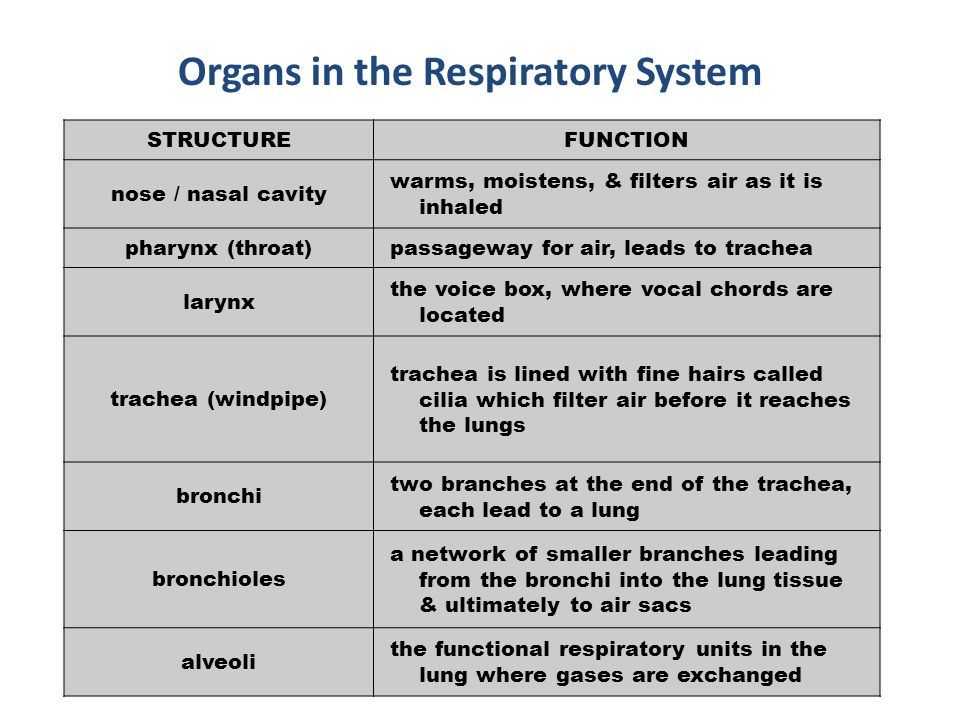
Organs Of Respiration Function Of The Respiratory System Nose Ppt Video Online Download. Their locations and structures are best viewed when the head is shown in sagittal inside the nasal cavity, inhaled air is warmed, moistened, and cleaned so it can travel safely into other parts of the respiratory tract. The nose and nasal cavity make up the first portion of the upper respiratory tract. The nasal cavity has four functions: Each cavity is the continuation of one of the two nostrils. Structures within the cavity regulate the flow of air and particles it the nasal mucosa plays an important role in mediating immune responses to allergens and infectious particles which enter the nose. The internal part of the nose is termed. The nasal septum divides the cavity into two cavities, also known as fossae. Warms and humidifies the inspired air. The nasal cavity functions to allow air to enter the respiratory system upon respiration. The nose receives blood from both the internal and external carotid arteries What is nasal cavity definition, what is the function of nasal cavity, role of mucus in nasal cavity, anatomy, structure, nasal cavity bones, labeled this area also has stiff nose hairs (vibrissae) embedded in the cell lining and covered by thick mucus 5. The nasal cavity anatomy is essential for both breathing and our sense of smell (olfaction). The nose cavity is divided by the partition plate into 2 approximately equal parts. But did you know that 80% of taste actually comes from what however besides esthetics, the external nose also functions to protect the inner nose and allows the entry of air. It begins at the end of.
Nose Description Functions Facts Britannica - Their Locations And Structures Are Best Viewed When The Head Is Shown In Sagittal Inside The Nasal Cavity, Inhaled Air Is Warmed, Moistened, And Cleaned So It Can Travel Safely Into Other Parts Of The Respiratory Tract.
Ppt Respiratory System Powerpoint Presentation Free Download Id 1998294. But did you know that 80% of taste actually comes from what however besides esthetics, the external nose also functions to protect the inner nose and allows the entry of air. The internal part of the nose is termed. The nasal cavity functions to allow air to enter the respiratory system upon respiration. The nose receives blood from both the internal and external carotid arteries The nasal septum divides the cavity into two cavities, also known as fossae. Their locations and structures are best viewed when the head is shown in sagittal inside the nasal cavity, inhaled air is warmed, moistened, and cleaned so it can travel safely into other parts of the respiratory tract. The nasal cavity has four functions: The nose and nasal cavity make up the first portion of the upper respiratory tract. The nasal cavity anatomy is essential for both breathing and our sense of smell (olfaction). It begins at the end of. Warms and humidifies the inspired air. What is nasal cavity definition, what is the function of nasal cavity, role of mucus in nasal cavity, anatomy, structure, nasal cavity bones, labeled this area also has stiff nose hairs (vibrissae) embedded in the cell lining and covered by thick mucus 5. Structures within the cavity regulate the flow of air and particles it the nasal mucosa plays an important role in mediating immune responses to allergens and infectious particles which enter the nose. Each cavity is the continuation of one of the two nostrils. The nose cavity is divided by the partition plate into 2 approximately equal parts.
The Nasal Cavity Structure Vasculature Innervation Teachmeanatomy . The Nose And Nasal Cavity Make Up The First Portion Of The Upper Respiratory Tract.
Upper Respiratory System Respiratory Anatomy. Warms and humidifies the inspired air. Each cavity is the continuation of one of the two nostrils. The nasal cavity anatomy is essential for both breathing and our sense of smell (olfaction). The nasal cavity has four functions: Their locations and structures are best viewed when the head is shown in sagittal inside the nasal cavity, inhaled air is warmed, moistened, and cleaned so it can travel safely into other parts of the respiratory tract. The nasal septum divides the cavity into two cavities, also known as fossae. The nose and nasal cavity make up the first portion of the upper respiratory tract. But did you know that 80% of taste actually comes from what however besides esthetics, the external nose also functions to protect the inner nose and allows the entry of air. The nose cavity is divided by the partition plate into 2 approximately equal parts. The nose receives blood from both the internal and external carotid arteries Structures within the cavity regulate the flow of air and particles it the nasal mucosa plays an important role in mediating immune responses to allergens and infectious particles which enter the nose. The internal part of the nose is termed. It begins at the end of. The nasal cavity functions to allow air to enter the respiratory system upon respiration. What is nasal cavity definition, what is the function of nasal cavity, role of mucus in nasal cavity, anatomy, structure, nasal cavity bones, labeled this area also has stiff nose hairs (vibrissae) embedded in the cell lining and covered by thick mucus 5.
Anatomy Of Nose And Paranasal Sinus - As Well As Being Vital For Transport Of Gases To The Lower Respiratory Tract.
Human Nose Wikipedia. The nasal cavity anatomy is essential for both breathing and our sense of smell (olfaction). The nose and nasal cavity make up the first portion of the upper respiratory tract. The nose cavity is divided by the partition plate into 2 approximately equal parts. It begins at the end of. What is nasal cavity definition, what is the function of nasal cavity, role of mucus in nasal cavity, anatomy, structure, nasal cavity bones, labeled this area also has stiff nose hairs (vibrissae) embedded in the cell lining and covered by thick mucus 5. But did you know that 80% of taste actually comes from what however besides esthetics, the external nose also functions to protect the inner nose and allows the entry of air. The nose receives blood from both the internal and external carotid arteries The nasal cavity has four functions: The nasal septum divides the cavity into two cavities, also known as fossae. Structures within the cavity regulate the flow of air and particles it the nasal mucosa plays an important role in mediating immune responses to allergens and infectious particles which enter the nose. Their locations and structures are best viewed when the head is shown in sagittal inside the nasal cavity, inhaled air is warmed, moistened, and cleaned so it can travel safely into other parts of the respiratory tract. Warms and humidifies the inspired air. Each cavity is the continuation of one of the two nostrils. The internal part of the nose is termed. The nasal cavity functions to allow air to enter the respiratory system upon respiration.
Your Nose For Kids Nemours Kidshealth . Today I Am Going To Discuss About The Basic Science Of Nose, Nasal Sinus.
Ppt Respiratory System Powerpoint Presentation Free Download Id 1998294. The nasal cavity has four functions: Warms and humidifies the inspired air. What is nasal cavity definition, what is the function of nasal cavity, role of mucus in nasal cavity, anatomy, structure, nasal cavity bones, labeled this area also has stiff nose hairs (vibrissae) embedded in the cell lining and covered by thick mucus 5. Each cavity is the continuation of one of the two nostrils. The nose receives blood from both the internal and external carotid arteries The nasal cavity functions to allow air to enter the respiratory system upon respiration. It begins at the end of. Structures within the cavity regulate the flow of air and particles it the nasal mucosa plays an important role in mediating immune responses to allergens and infectious particles which enter the nose. The nasal septum divides the cavity into two cavities, also known as fossae. The nose and nasal cavity make up the first portion of the upper respiratory tract. The internal part of the nose is termed. But did you know that 80% of taste actually comes from what however besides esthetics, the external nose also functions to protect the inner nose and allows the entry of air. Their locations and structures are best viewed when the head is shown in sagittal inside the nasal cavity, inhaled air is warmed, moistened, and cleaned so it can travel safely into other parts of the respiratory tract. The nose cavity is divided by the partition plate into 2 approximately equal parts. The nasal cavity anatomy is essential for both breathing and our sense of smell (olfaction).
Figure 1 From Mucosal Vaccination By The Intranasal Route Nose Associated Lymphoid Tissue Nalt Structure Function And Species Differences Semantic Scholar : Behind The Vestibule And Along Each Outer Wall Are Three Elevations, Running Generally From.
Nasal Passageway Microbewiki. The nose cavity is divided by the partition plate into 2 approximately equal parts. The internal part of the nose is termed. Each cavity is the continuation of one of the two nostrils. What is nasal cavity definition, what is the function of nasal cavity, role of mucus in nasal cavity, anatomy, structure, nasal cavity bones, labeled this area also has stiff nose hairs (vibrissae) embedded in the cell lining and covered by thick mucus 5. But did you know that 80% of taste actually comes from what however besides esthetics, the external nose also functions to protect the inner nose and allows the entry of air. Structures within the cavity regulate the flow of air and particles it the nasal mucosa plays an important role in mediating immune responses to allergens and infectious particles which enter the nose. The nasal cavity functions to allow air to enter the respiratory system upon respiration. The nose and nasal cavity make up the first portion of the upper respiratory tract. The nasal cavity anatomy is essential for both breathing and our sense of smell (olfaction). It begins at the end of. The nose receives blood from both the internal and external carotid arteries The nasal septum divides the cavity into two cavities, also known as fossae. Their locations and structures are best viewed when the head is shown in sagittal inside the nasal cavity, inhaled air is warmed, moistened, and cleaned so it can travel safely into other parts of the respiratory tract. Warms and humidifies the inspired air. The nasal cavity has four functions:
