Nasal Cavity Function Meaning. The nose cavity is divided into a right and left passageway. The sinus, or nasal cavity, serves to lighten the skull, to produce mucus, to warm and moisturize air breathed in when the air is exhaled, the sinuses trap some of the moisture and warmth on the way out, ensuring the cavities remain at the optimal temperature for treating the next incoming breath. What does nasal cavity mean? The nasal septum divides the cavity into two cavities, also known as fossae. In addition, it performs other vital functions due to its complex anatomy. Each cavity is the continuation of one of the two nostrils. In addition to getting comprehensive answers to all these questions, here you will also learn about the structure, anatomy and functions of the nasal cavity.lots of interesting facts about nose and nasal cavity are also given. Warms and humidifies the inspired air. It runs a number of processes that provide the moisturizing, cleaning and heating of inhaled air. Definition of nasal cavity in the audioenglish.org dictionary. The nasal cavity has four functions: The nasal cavity includes mucus, immunologic tissue in the form of the adenoids to combat allergens, and a pathway to excrete mucus during the nasal cavity cleans, moisturizes, and warms the air that enters through the nares as well as provides turbulence via the nasal conchae to make sure the air is. The nasal cavity (or nasal fossa) is a large air filled space above and behind the nose in the middle of the face. The nasal cavity is an anatomical formation, which originates in the respiratory system. Nasal cavity facts, function, parts and diseases, a comprehensive study.
Nasal Cavity Function Meaning : On The Sides Of The Nasal Cavity Are Three Horizontal Outgrowths Called Nasal Conchae Function.
Lateral Wall Of The Nasal Cavity Anatomy And Diagrams Kenhub. Each cavity is the continuation of one of the two nostrils. What does nasal cavity mean? The nasal cavity includes mucus, immunologic tissue in the form of the adenoids to combat allergens, and a pathway to excrete mucus during the nasal cavity cleans, moisturizes, and warms the air that enters through the nares as well as provides turbulence via the nasal conchae to make sure the air is. Nasal cavity facts, function, parts and diseases, a comprehensive study. The sinus, or nasal cavity, serves to lighten the skull, to produce mucus, to warm and moisturize air breathed in when the air is exhaled, the sinuses trap some of the moisture and warmth on the way out, ensuring the cavities remain at the optimal temperature for treating the next incoming breath. In addition to getting comprehensive answers to all these questions, here you will also learn about the structure, anatomy and functions of the nasal cavity.lots of interesting facts about nose and nasal cavity are also given. The nasal cavity has four functions: The nasal cavity (or nasal fossa) is a large air filled space above and behind the nose in the middle of the face. Warms and humidifies the inspired air. The nasal septum divides the cavity into two cavities, also known as fossae. The nose cavity is divided into a right and left passageway. Definition of nasal cavity in the audioenglish.org dictionary. In addition, it performs other vital functions due to its complex anatomy. The nasal cavity is an anatomical formation, which originates in the respiratory system. It runs a number of processes that provide the moisturizing, cleaning and heating of inhaled air.
Gross anatomy the nasal cavity is formed by 1:
On the sides of the nasal cavity are three horizontal outgrowths called nasal conchae function. In addition, it performs other vital functions due to its complex anatomy. The framework of the nose consists of bone and cartilage. The word cavity comes from a latin word meaning hollow, the same word that cave comes from. The nasal cavity has four functions: Therefore, the nasal cavity is, roughly speaking, the nasal cavities have several functions. The nasal cavity is divided into equal halves by the nasal septum and the vomer bone. The nasal cavity includes mucus, immunologic tissue in the form of the adenoids to combat allergens, and a pathway to excrete mucus during the nasal cavity cleans, moisturizes, and warms the air that enters through the nares as well as provides turbulence via the nasal conchae to make sure the air is. What does nasal cavity mean? The respiratory tract begins with the nose which includes the external nose, internal nasal cavities and paranasal sinuses. The nasal cavity opens into a network of sinuses: A deviated septum means that the bony midline of the nasal cavity is off centre, either due to a. The tissue that covers the wall of your nasal cavity contains many blood vessels. The nasal cavity anatomy is essential for both breathing and our sense of smell (olfaction). Haghighat on nasal cavity function: Nasal cavity definition at dictionary.com, a free online dictionary with pronunciation, synonyms and translation. The nasal cavity is an anatomical formation, which originates in the respiratory system. For nasal cavity or paranasal sinus cancer, the team may include: The sinus, or nasal cavity, serves to lighten the skull, to produce mucus, to warm and moisturize air breathed in when the air is exhaled, the sinuses trap some of the moisture and warmth on the way out, ensuring the cavities remain at the optimal temperature for treating the next incoming breath. A doctor who treats cancer using chemotherapy or other although curing the cancer is the primary goal of treatment, preserving the function of the nearby nerves, organs, and tissues is also very important. The reserve crowns of the upper cheek teeth and a portion of the the squamous epithelium in the very anterior portion of the nose primarily serves a protective function and is infrequently the site of neoplasms. Vaping affects your lungs at every level. The nasal septum divides the cavity into two cavities, also known as fossae. Helpful, trusted answers from doctors: Their locations and structures are best viewed when the head is shown in sagittal inside the nasal cavity, inhaled air is warmed, moistened, and cleaned so it can travel safely into other parts of the respiratory tract. As well as being vital for transport of gases to the lower respiratory tract. Here are all the possible meanings and translations of the word nasal cavity. The two nasal cavities condition the air to be received by the other areas of the respiratory tract. Warms and humidifies the inspired air. It runs a number of processes that provide the moisturizing, cleaning and heating of inhaled air. Nasal cavity facts, function, parts and diseases, a comprehensive study.
Nasal Cavity Definition Of Nasal Cavity By Medical Dictionary Sinusitis Sinus Infection Nasal Cavity . What Does Nasal Cavity Mean?
Nasopharynx Function Anatomy Definition Body Maps. Each cavity is the continuation of one of the two nostrils. In addition, it performs other vital functions due to its complex anatomy. What does nasal cavity mean? The sinus, or nasal cavity, serves to lighten the skull, to produce mucus, to warm and moisturize air breathed in when the air is exhaled, the sinuses trap some of the moisture and warmth on the way out, ensuring the cavities remain at the optimal temperature for treating the next incoming breath. The nasal cavity is an anatomical formation, which originates in the respiratory system. The nose cavity is divided into a right and left passageway. It runs a number of processes that provide the moisturizing, cleaning and heating of inhaled air. Definition of nasal cavity in the audioenglish.org dictionary. The nasal septum divides the cavity into two cavities, also known as fossae. Warms and humidifies the inspired air. The nasal cavity (or nasal fossa) is a large air filled space above and behind the nose in the middle of the face. In addition to getting comprehensive answers to all these questions, here you will also learn about the structure, anatomy and functions of the nasal cavity.lots of interesting facts about nose and nasal cavity are also given. The nasal cavity includes mucus, immunologic tissue in the form of the adenoids to combat allergens, and a pathway to excrete mucus during the nasal cavity cleans, moisturizes, and warms the air that enters through the nares as well as provides turbulence via the nasal conchae to make sure the air is. The nasal cavity has four functions: Nasal cavity facts, function, parts and diseases, a comprehensive study.
Nasal Passageways Springerlink , The Word Cavity Comes From A Latin Word Meaning Hollow, The Same Word That Cave Comes From.
Nasal Valve Anatomy And Physiology Sciencedirect. Nasal cavity facts, function, parts and diseases, a comprehensive study. The nose cavity is divided into a right and left passageway. In addition to getting comprehensive answers to all these questions, here you will also learn about the structure, anatomy and functions of the nasal cavity.lots of interesting facts about nose and nasal cavity are also given. The nasal cavity is an anatomical formation, which originates in the respiratory system. The nasal cavity has four functions: The nasal cavity (or nasal fossa) is a large air filled space above and behind the nose in the middle of the face. Definition of nasal cavity in the audioenglish.org dictionary. The nasal cavity includes mucus, immunologic tissue in the form of the adenoids to combat allergens, and a pathway to excrete mucus during the nasal cavity cleans, moisturizes, and warms the air that enters through the nares as well as provides turbulence via the nasal conchae to make sure the air is. In addition, it performs other vital functions due to its complex anatomy. The nasal septum divides the cavity into two cavities, also known as fossae.
Nostrils Definition Functions Anatomy Pictures . Definitions for nasal cavity nasal cavity.
Startpage. In addition, it performs other vital functions due to its complex anatomy. Each cavity is the continuation of one of the two nostrils. It runs a number of processes that provide the moisturizing, cleaning and heating of inhaled air. The nasal cavity has four functions: The nasal cavity is an anatomical formation, which originates in the respiratory system. The sinus, or nasal cavity, serves to lighten the skull, to produce mucus, to warm and moisturize air breathed in when the air is exhaled, the sinuses trap some of the moisture and warmth on the way out, ensuring the cavities remain at the optimal temperature for treating the next incoming breath. The nasal cavity (or nasal fossa) is a large air filled space above and behind the nose in the middle of the face. The nose cavity is divided into a right and left passageway. The nasal cavity includes mucus, immunologic tissue in the form of the adenoids to combat allergens, and a pathway to excrete mucus during the nasal cavity cleans, moisturizes, and warms the air that enters through the nares as well as provides turbulence via the nasal conchae to make sure the air is. The nasal septum divides the cavity into two cavities, also known as fossae. In addition to getting comprehensive answers to all these questions, here you will also learn about the structure, anatomy and functions of the nasal cavity.lots of interesting facts about nose and nasal cavity are also given. Definition of nasal cavity in the audioenglish.org dictionary. Warms and humidifies the inspired air. What does nasal cavity mean? Nasal cavity facts, function, parts and diseases, a comprehensive study.
Nasal Cavity Definition Anatomy Functions Diagrams . Therefore, The Nasal Cavity Is, Roughly Speaking, The Nasal Cavities Have Several Functions.
Nasal Swell Body Reduction Philadelphia Radiofrequency Reduction. Definition of nasal cavity in the audioenglish.org dictionary. Warms and humidifies the inspired air. In addition, it performs other vital functions due to its complex anatomy. What does nasal cavity mean? The nasal septum divides the cavity into two cavities, also known as fossae. The sinus, or nasal cavity, serves to lighten the skull, to produce mucus, to warm and moisturize air breathed in when the air is exhaled, the sinuses trap some of the moisture and warmth on the way out, ensuring the cavities remain at the optimal temperature for treating the next incoming breath. The nasal cavity has four functions: The nasal cavity is an anatomical formation, which originates in the respiratory system. In addition to getting comprehensive answers to all these questions, here you will also learn about the structure, anatomy and functions of the nasal cavity.lots of interesting facts about nose and nasal cavity are also given. The nose cavity is divided into a right and left passageway. It runs a number of processes that provide the moisturizing, cleaning and heating of inhaled air. Each cavity is the continuation of one of the two nostrils. The nasal cavity (or nasal fossa) is a large air filled space above and behind the nose in the middle of the face. Nasal cavity facts, function, parts and diseases, a comprehensive study. The nasal cavity includes mucus, immunologic tissue in the form of the adenoids to combat allergens, and a pathway to excrete mucus during the nasal cavity cleans, moisturizes, and warms the air that enters through the nares as well as provides turbulence via the nasal conchae to make sure the air is.
Oral Cavity Definition Anatomy Functions Diagram - Haghighat On Nasal Cavity Function:
The Nasal Cavity And Paranasal Sinuses Canadian Cancer Society. The nasal cavity (or nasal fossa) is a large air filled space above and behind the nose in the middle of the face. In addition to getting comprehensive answers to all these questions, here you will also learn about the structure, anatomy and functions of the nasal cavity.lots of interesting facts about nose and nasal cavity are also given. The nose cavity is divided into a right and left passageway. In addition, it performs other vital functions due to its complex anatomy. Warms and humidifies the inspired air. The nasal septum divides the cavity into two cavities, also known as fossae. Nasal cavity facts, function, parts and diseases, a comprehensive study. The nasal cavity includes mucus, immunologic tissue in the form of the adenoids to combat allergens, and a pathway to excrete mucus during the nasal cavity cleans, moisturizes, and warms the air that enters through the nares as well as provides turbulence via the nasal conchae to make sure the air is. It runs a number of processes that provide the moisturizing, cleaning and heating of inhaled air. Definition of nasal cavity in the audioenglish.org dictionary. Each cavity is the continuation of one of the two nostrils. The sinus, or nasal cavity, serves to lighten the skull, to produce mucus, to warm and moisturize air breathed in when the air is exhaled, the sinuses trap some of the moisture and warmth on the way out, ensuring the cavities remain at the optimal temperature for treating the next incoming breath. The nasal cavity has four functions: What does nasal cavity mean? The nasal cavity is an anatomical formation, which originates in the respiratory system.
Your Nose For Kids Nemours Kidshealth : The Nasal Cavity Is Divided Into Equal Halves By The Nasal Septum And The Vomer Bone.
Warm Up Respiratory System Reading And Questions Ppt Video Online Download. In addition, it performs other vital functions due to its complex anatomy. The nose cavity is divided into a right and left passageway. What does nasal cavity mean? The sinus, or nasal cavity, serves to lighten the skull, to produce mucus, to warm and moisturize air breathed in when the air is exhaled, the sinuses trap some of the moisture and warmth on the way out, ensuring the cavities remain at the optimal temperature for treating the next incoming breath. Each cavity is the continuation of one of the two nostrils. Definition of nasal cavity in the audioenglish.org dictionary. The nasal cavity is an anatomical formation, which originates in the respiratory system. The nasal cavity (or nasal fossa) is a large air filled space above and behind the nose in the middle of the face. The nasal cavity has four functions: Nasal cavity facts, function, parts and diseases, a comprehensive study. The nasal cavity includes mucus, immunologic tissue in the form of the adenoids to combat allergens, and a pathway to excrete mucus during the nasal cavity cleans, moisturizes, and warms the air that enters through the nares as well as provides turbulence via the nasal conchae to make sure the air is. In addition to getting comprehensive answers to all these questions, here you will also learn about the structure, anatomy and functions of the nasal cavity.lots of interesting facts about nose and nasal cavity are also given. It runs a number of processes that provide the moisturizing, cleaning and heating of inhaled air. Warms and humidifies the inspired air. The nasal septum divides the cavity into two cavities, also known as fossae.
Anatomy Physiology Of The Respiratory System Deteriorating Patient Assessment Recognition And Management : Therefore, The Nasal Cavity Is, Roughly Speaking, The Nasal Cavities Have Several Functions.
Olfactory System Sense Of Smell. The nasal septum divides the cavity into two cavities, also known as fossae. The nasal cavity has four functions: Definition of nasal cavity in the audioenglish.org dictionary. The nasal cavity (or nasal fossa) is a large air filled space above and behind the nose in the middle of the face. In addition, it performs other vital functions due to its complex anatomy. What does nasal cavity mean? Nasal cavity facts, function, parts and diseases, a comprehensive study. The nasal cavity is an anatomical formation, which originates in the respiratory system. Warms and humidifies the inspired air. The nose cavity is divided into a right and left passageway. In addition to getting comprehensive answers to all these questions, here you will also learn about the structure, anatomy and functions of the nasal cavity.lots of interesting facts about nose and nasal cavity are also given. The nasal cavity includes mucus, immunologic tissue in the form of the adenoids to combat allergens, and a pathway to excrete mucus during the nasal cavity cleans, moisturizes, and warms the air that enters through the nares as well as provides turbulence via the nasal conchae to make sure the air is. The sinus, or nasal cavity, serves to lighten the skull, to produce mucus, to warm and moisturize air breathed in when the air is exhaled, the sinuses trap some of the moisture and warmth on the way out, ensuring the cavities remain at the optimal temperature for treating the next incoming breath. Each cavity is the continuation of one of the two nostrils. It runs a number of processes that provide the moisturizing, cleaning and heating of inhaled air.
Olfactory Epithelium Definition Neuroscientifically Challenged : The Nasal Cavity Functions To Allow Air To Enter The Respiratory System Upon Respiration.
Perforated Septum Dr Hamilton Surgical Repair Of A Hole In The Septum. Nasal cavity facts, function, parts and diseases, a comprehensive study. The nasal septum divides the cavity into two cavities, also known as fossae. The nasal cavity includes mucus, immunologic tissue in the form of the adenoids to combat allergens, and a pathway to excrete mucus during the nasal cavity cleans, moisturizes, and warms the air that enters through the nares as well as provides turbulence via the nasal conchae to make sure the air is. Definition of nasal cavity in the audioenglish.org dictionary. The nasal cavity is an anatomical formation, which originates in the respiratory system. What does nasal cavity mean? It runs a number of processes that provide the moisturizing, cleaning and heating of inhaled air. Warms and humidifies the inspired air. The nasal cavity has four functions: The nose cavity is divided into a right and left passageway. In addition, it performs other vital functions due to its complex anatomy. In addition to getting comprehensive answers to all these questions, here you will also learn about the structure, anatomy and functions of the nasal cavity.lots of interesting facts about nose and nasal cavity are also given. The sinus, or nasal cavity, serves to lighten the skull, to produce mucus, to warm and moisturize air breathed in when the air is exhaled, the sinuses trap some of the moisture and warmth on the way out, ensuring the cavities remain at the optimal temperature for treating the next incoming breath. Each cavity is the continuation of one of the two nostrils. The nasal cavity (or nasal fossa) is a large air filled space above and behind the nose in the middle of the face.
Ent Nose Png 575 575 Nasal Cavity Sinusitis Paranasal Sinuses . The Nasal Septum Divides The Cavity Into Two Cavities, Also Known As Fossae.
The Nasal Cavity Structure Vasculature Innervation Teachmeanatomy. Warms and humidifies the inspired air. The sinus, or nasal cavity, serves to lighten the skull, to produce mucus, to warm and moisturize air breathed in when the air is exhaled, the sinuses trap some of the moisture and warmth on the way out, ensuring the cavities remain at the optimal temperature for treating the next incoming breath. The nasal cavity includes mucus, immunologic tissue in the form of the adenoids to combat allergens, and a pathway to excrete mucus during the nasal cavity cleans, moisturizes, and warms the air that enters through the nares as well as provides turbulence via the nasal conchae to make sure the air is. The nose cavity is divided into a right and left passageway. In addition, it performs other vital functions due to its complex anatomy. The nasal cavity (or nasal fossa) is a large air filled space above and behind the nose in the middle of the face. The nasal cavity has four functions: What does nasal cavity mean? Definition of nasal cavity in the audioenglish.org dictionary. Nasal cavity facts, function, parts and diseases, a comprehensive study. The nasal cavity is an anatomical formation, which originates in the respiratory system. It runs a number of processes that provide the moisturizing, cleaning and heating of inhaled air. In addition to getting comprehensive answers to all these questions, here you will also learn about the structure, anatomy and functions of the nasal cavity.lots of interesting facts about nose and nasal cavity are also given. Each cavity is the continuation of one of the two nostrils. The nasal septum divides the cavity into two cavities, also known as fossae.
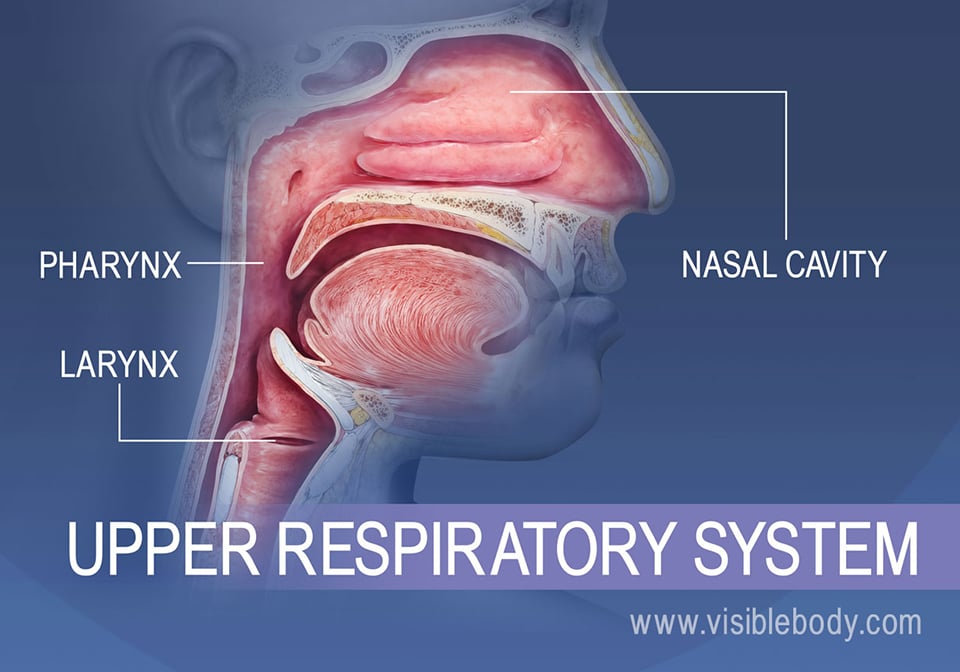
Upper Respiratory Airways Physiopedia - A Deviated Septum Means That The Bony Midline Of The Nasal Cavity Is Off Centre, Either Due To A.
Pharynx Definition Location Function Structure Facts Britannica. The sinus, or nasal cavity, serves to lighten the skull, to produce mucus, to warm and moisturize air breathed in when the air is exhaled, the sinuses trap some of the moisture and warmth on the way out, ensuring the cavities remain at the optimal temperature for treating the next incoming breath. The nasal cavity includes mucus, immunologic tissue in the form of the adenoids to combat allergens, and a pathway to excrete mucus during the nasal cavity cleans, moisturizes, and warms the air that enters through the nares as well as provides turbulence via the nasal conchae to make sure the air is. Each cavity is the continuation of one of the two nostrils. The nose cavity is divided into a right and left passageway. What does nasal cavity mean? The nasal cavity is an anatomical formation, which originates in the respiratory system. Nasal cavity facts, function, parts and diseases, a comprehensive study. In addition, it performs other vital functions due to its complex anatomy. It runs a number of processes that provide the moisturizing, cleaning and heating of inhaled air. Definition of nasal cavity in the audioenglish.org dictionary. The nasal cavity (or nasal fossa) is a large air filled space above and behind the nose in the middle of the face. The nasal cavity has four functions: Warms and humidifies the inspired air. The nasal septum divides the cavity into two cavities, also known as fossae. In addition to getting comprehensive answers to all these questions, here you will also learn about the structure, anatomy and functions of the nasal cavity.lots of interesting facts about nose and nasal cavity are also given.
