Duodenum Histology. Duodenum, the first part of the small intestine, which receives partially digested food from the stomach and begins the absorption of nutrients. The duodenum contains the same wall layers seen in the previous portions of the gi tract: The duodenum is the shortest segment of the intestine and is about 23 to 28 cm (9 to 11 inches) long. Learn more about its macroscopic anatomy, typical histological features and its functions! Histologically the duodenum is similar to all the other hollow organs of the gastrointestinal tract: Duodenum is a latin corruption of the greek dodekadaktulus meaning 12 finger breadths, and was first coined by herophilus in 300bc to describe the length of the duodenum of animals then being dissected, presumably large domestic animals. Structure, location, functions and anatomy pictures. The duodenum is the first part of the small intestine. Simple columnar epithelium muscularis externa. The rest of the duodenum lies outside the peritoneum and is hence said to be retroperitoneal. The main function is to supply the body with water. Mucosa, submucosa, and muscularis externa. The first part lies in front of the gastroduodenal. This is an important part of the digestive system in humans and some other vertebrates. The duodenum of the rat runs to the right when it.
Duodenum Histology . Click Here For A Basic Introduction To Epithelial Tissue.
Histology Of Duodenum Manage Your Time 1996. The duodenum is the first part of the small intestine. Duodenum is a latin corruption of the greek dodekadaktulus meaning 12 finger breadths, and was first coined by herophilus in 300bc to describe the length of the duodenum of animals then being dissected, presumably large domestic animals. The rest of the duodenum lies outside the peritoneum and is hence said to be retroperitoneal. Learn more about its macroscopic anatomy, typical histological features and its functions! The duodenum is the shortest segment of the intestine and is about 23 to 28 cm (9 to 11 inches) long. Simple columnar epithelium muscularis externa. Duodenum, the first part of the small intestine, which receives partially digested food from the stomach and begins the absorption of nutrients. Structure, location, functions and anatomy pictures. Histologically the duodenum is similar to all the other hollow organs of the gastrointestinal tract: Mucosa, submucosa, and muscularis externa. This is an important part of the digestive system in humans and some other vertebrates. The duodenum contains the same wall layers seen in the previous portions of the gi tract: The main function is to supply the body with water. The duodenum of the rat runs to the right when it. The first part lies in front of the gastroduodenal.
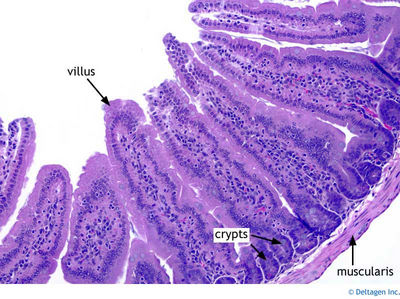
In fish, the divisions of the small intestine are not as clear.
Anatomy, histology, and developmental anomalies of the stomach and duodenum. In humans, it is shortest part of the small intestine, connecting the stomach to the jejunum, and it is where most chemical digestion takes place. The duodenum is the first section of the small intestine in most higher vertebrates, including mammals, reptiles, and birds. The duodenum /ˌduːəˈdiːnəm/ or /ˌduːˈɒdᵻnəm/ also known as dodecadactylum, is the first section of the small intestine in most higher vertebrates, including mammals, reptiles, and birds. Structure, location, functions and anatomy pictures. Intestinum duodenum (jna)] — the initial department of a small bowel beginning directly from a stomach. Simple columnar epithelium muscularis externa. Initial department of a gut at fishes, amphibians and reptiles does not differ from other intestines. The duodenum is the shortest segment of the intestine and is about 23 to 28 cm (9 to 11 inches) long. The main function is to supply the body with water. It may also be described as a peptic ulcer duodenal ulcers are most likely to occur in the superior portion of the duodenum. It is located below the stomach. With the exception of the proximal duodenum, which is supplied by the celiac trunk, the main arterial supply for the small intestine is provided by branches of the superior pancreatic secretions and bile collect in the duodenum and break down chyme into sugars, amino acids, and fatty acids. The submucosa of the duodenum is densely packed with mucous brunner's glands. Histologically the duodenum is similar to all the other hollow organs of the gastrointestinal tract: Normal duodenum, low power microscopic. Duodenum is a latin corruption of the greek dodekadaktulus meaning 12 finger breadths, and was first coined by herophilus in 300bc to describe the length of the duodenum of animals then being dissected, presumably large domestic animals. Otherwise, the submucosa has similar characteristics throughout the tract. The histology of the entire gastrointestinal tract is largely the histology of epithelial tissues. In fish, the divisions of the small intestine are not as clear. Duodenitis is usually caused by endoscopy is used to look for problems in your stomach or duodenum. The duodenum is the first part of the small intestine and is the continuation of the stomach. Your healthcare provider will use an endoscope (tube with a light and camera. Похожие запросы для duodenum histology. The duodenum of the rat runs to the right when it. The duodenum is the first section of the small intestine in vertebrates. Duodenum, the first part of the small intestine, which receives partially digested food from the stomach and begins the absorption of nutrients. The duodenum contains the same wall layers seen in the previous portions of the gi tract: We studied anatomy and histology of different segments of the duodenum in domestic duck (anas strepera). Its histology is usually adenocarcinoma. A duodenal ulcer is the erosion of the mucosa in the duodenum.
Representative Histological Photomicrographs Of Duodenum Jejunum And Download Scientific Diagram . The Duodenum Contains The Same Wall Layers Seen In The Previous Portions Of The Gi Tract:
Gastric Heterotopia Of The Duodenum Libre Pathology. Duodenum is a latin corruption of the greek dodekadaktulus meaning 12 finger breadths, and was first coined by herophilus in 300bc to describe the length of the duodenum of animals then being dissected, presumably large domestic animals. The duodenum is the shortest segment of the intestine and is about 23 to 28 cm (9 to 11 inches) long. Mucosa, submucosa, and muscularis externa. Histologically the duodenum is similar to all the other hollow organs of the gastrointestinal tract: The rest of the duodenum lies outside the peritoneum and is hence said to be retroperitoneal. Learn more about its macroscopic anatomy, typical histological features and its functions! This is an important part of the digestive system in humans and some other vertebrates. The main function is to supply the body with water. Simple columnar epithelium muscularis externa. Structure, location, functions and anatomy pictures. The first part lies in front of the gastroduodenal. The duodenum of the rat runs to the right when it. The duodenum contains the same wall layers seen in the previous portions of the gi tract: The duodenum is the first part of the small intestine. Duodenum, the first part of the small intestine, which receives partially digested food from the stomach and begins the absorption of nutrients.
Histology Of Duodenum Manage Your Time 1996 . Stands Apart At Birds And Mammals.
Small Intestine Histology Duodenum Histology Slide. The first part lies in front of the gastroduodenal. The duodenum contains the same wall layers seen in the previous portions of the gi tract: Learn more about its macroscopic anatomy, typical histological features and its functions! Histologically the duodenum is similar to all the other hollow organs of the gastrointestinal tract: Structure, location, functions and anatomy pictures. Duodenum, the first part of the small intestine, which receives partially digested food from the stomach and begins the absorption of nutrients. The duodenum is the shortest segment of the intestine and is about 23 to 28 cm (9 to 11 inches) long. The main function is to supply the body with water. The duodenum is the first part of the small intestine. The rest of the duodenum lies outside the peritoneum and is hence said to be retroperitoneal.
Duodenum Anatomy Histology Composition Functions Kenhub . In fish, the divisions of the small intestine are not as clear.
Duodenum Histology Diagram Radiology Case Radiopaedia Org. Simple columnar epithelium muscularis externa. Structure, location, functions and anatomy pictures. Mucosa, submucosa, and muscularis externa. The duodenum is the first part of the small intestine. The main function is to supply the body with water. Learn more about its macroscopic anatomy, typical histological features and its functions! Duodenum, the first part of the small intestine, which receives partially digested food from the stomach and begins the absorption of nutrients. Duodenum is a latin corruption of the greek dodekadaktulus meaning 12 finger breadths, and was first coined by herophilus in 300bc to describe the length of the duodenum of animals then being dissected, presumably large domestic animals. The duodenum contains the same wall layers seen in the previous portions of the gi tract: The duodenum of the rat runs to the right when it. The first part lies in front of the gastroduodenal. Histologically the duodenum is similar to all the other hollow organs of the gastrointestinal tract: The rest of the duodenum lies outside the peritoneum and is hence said to be retroperitoneal. This is an important part of the digestive system in humans and some other vertebrates. The duodenum is the shortest segment of the intestine and is about 23 to 28 cm (9 to 11 inches) long.
Small Intestine Histology Duodenum Histology Slide , Mucosa, Submucosa, And Muscularis Externa.
Duodenum. The first part lies in front of the gastroduodenal. Duodenum, the first part of the small intestine, which receives partially digested food from the stomach and begins the absorption of nutrients. The duodenum is the first part of the small intestine. Histologically the duodenum is similar to all the other hollow organs of the gastrointestinal tract: Simple columnar epithelium muscularis externa. Duodenum is a latin corruption of the greek dodekadaktulus meaning 12 finger breadths, and was first coined by herophilus in 300bc to describe the length of the duodenum of animals then being dissected, presumably large domestic animals. The duodenum contains the same wall layers seen in the previous portions of the gi tract: The main function is to supply the body with water. Learn more about its macroscopic anatomy, typical histological features and its functions! The rest of the duodenum lies outside the peritoneum and is hence said to be retroperitoneal. This is an important part of the digestive system in humans and some other vertebrates. Structure, location, functions and anatomy pictures. The duodenum of the rat runs to the right when it. Mucosa, submucosa, and muscularis externa. The duodenum is the shortest segment of the intestine and is about 23 to 28 cm (9 to 11 inches) long.
Small Intestine Histology Duodenum Histology Slide Histology Slides Intestines Slide - A Brief Overview Of The Histology Of The Duodenum And Its Comparison With Stomach Histology.
Histopathology Of The Small Intestine H E Stained Tissue Sections Of Download Scientific Diagram. The duodenum contains the same wall layers seen in the previous portions of the gi tract: The duodenum is the shortest segment of the intestine and is about 23 to 28 cm (9 to 11 inches) long. The duodenum is the first part of the small intestine. Duodenum, the first part of the small intestine, which receives partially digested food from the stomach and begins the absorption of nutrients. Histologically the duodenum is similar to all the other hollow organs of the gastrointestinal tract: The first part lies in front of the gastroduodenal. The rest of the duodenum lies outside the peritoneum and is hence said to be retroperitoneal. The duodenum of the rat runs to the right when it. This is an important part of the digestive system in humans and some other vertebrates. Mucosa, submucosa, and muscularis externa. Learn more about its macroscopic anatomy, typical histological features and its functions! Simple columnar epithelium muscularis externa. The main function is to supply the body with water. Duodenum is a latin corruption of the greek dodekadaktulus meaning 12 finger breadths, and was first coined by herophilus in 300bc to describe the length of the duodenum of animals then being dissected, presumably large domestic animals. Structure, location, functions and anatomy pictures.
Small Intestine Histology Duodenum Histology Slide . In Humans, It Is Shortest Part Of The Small Intestine, Connecting The Stomach To The Jejunum, And It Is Where Most Chemical Digestion Takes Place.
Duodenum Anatomy Histology Composition Functions Kenhub. The first part lies in front of the gastroduodenal. Duodenum, the first part of the small intestine, which receives partially digested food from the stomach and begins the absorption of nutrients. The main function is to supply the body with water. This is an important part of the digestive system in humans and some other vertebrates. Histologically the duodenum is similar to all the other hollow organs of the gastrointestinal tract: Duodenum is a latin corruption of the greek dodekadaktulus meaning 12 finger breadths, and was first coined by herophilus in 300bc to describe the length of the duodenum of animals then being dissected, presumably large domestic animals. The duodenum is the first part of the small intestine. The duodenum of the rat runs to the right when it. Structure, location, functions and anatomy pictures. The duodenum contains the same wall layers seen in the previous portions of the gi tract: Simple columnar epithelium muscularis externa. The duodenum is the shortest segment of the intestine and is about 23 to 28 cm (9 to 11 inches) long. The rest of the duodenum lies outside the peritoneum and is hence said to be retroperitoneal. Learn more about its macroscopic anatomy, typical histological features and its functions! Mucosa, submucosa, and muscularis externa.
Animal Organs Digestive System Small Intestine Atlas Of Plant And Animal Histology . In Humans, It Is Shortest Part Of The Small Intestine, Connecting The Stomach To The Jejunum, And It Is Where Most Chemical Digestion Takes Place.
Animal Organs Digestive System Small Intestine Atlas Of Plant And Animal Histology. This is an important part of the digestive system in humans and some other vertebrates. The duodenum contains the same wall layers seen in the previous portions of the gi tract: Structure, location, functions and anatomy pictures. The rest of the duodenum lies outside the peritoneum and is hence said to be retroperitoneal. The first part lies in front of the gastroduodenal. Histologically the duodenum is similar to all the other hollow organs of the gastrointestinal tract: The duodenum is the first part of the small intestine. The duodenum is the shortest segment of the intestine and is about 23 to 28 cm (9 to 11 inches) long. Learn more about its macroscopic anatomy, typical histological features and its functions! Duodenum is a latin corruption of the greek dodekadaktulus meaning 12 finger breadths, and was first coined by herophilus in 300bc to describe the length of the duodenum of animals then being dissected, presumably large domestic animals. Simple columnar epithelium muscularis externa. The duodenum of the rat runs to the right when it. Mucosa, submucosa, and muscularis externa. Duodenum, the first part of the small intestine, which receives partially digested food from the stomach and begins the absorption of nutrients. The main function is to supply the body with water.
Histological Slides Of The Duodenum Google Search Histologia Fisiologia Anatomia Patologica - Click Here For A Basic Introduction To Epithelial Tissue.
Endoscopic Tools For The Diagnosis And Evaluation Of Celiac Disease. The duodenum of the rat runs to the right when it. Duodenum is a latin corruption of the greek dodekadaktulus meaning 12 finger breadths, and was first coined by herophilus in 300bc to describe the length of the duodenum of animals then being dissected, presumably large domestic animals. This is an important part of the digestive system in humans and some other vertebrates. The duodenum is the shortest segment of the intestine and is about 23 to 28 cm (9 to 11 inches) long. Histologically the duodenum is similar to all the other hollow organs of the gastrointestinal tract: The main function is to supply the body with water. Structure, location, functions and anatomy pictures. Duodenum, the first part of the small intestine, which receives partially digested food from the stomach and begins the absorption of nutrients. Mucosa, submucosa, and muscularis externa. The rest of the duodenum lies outside the peritoneum and is hence said to be retroperitoneal. The duodenum is the first part of the small intestine. The duodenum contains the same wall layers seen in the previous portions of the gi tract: Learn more about its macroscopic anatomy, typical histological features and its functions! The first part lies in front of the gastroduodenal. Simple columnar epithelium muscularis externa.
Duodenum . Muscularis, Submucosa, Tunica Muscularis And Serosa.
Magscope Teacher Resources Histology Slide Images. Mucosa, submucosa, and muscularis externa. Duodenum, the first part of the small intestine, which receives partially digested food from the stomach and begins the absorption of nutrients. Duodenum is a latin corruption of the greek dodekadaktulus meaning 12 finger breadths, and was first coined by herophilus in 300bc to describe the length of the duodenum of animals then being dissected, presumably large domestic animals. The duodenum contains the same wall layers seen in the previous portions of the gi tract: Structure, location, functions and anatomy pictures. This is an important part of the digestive system in humans and some other vertebrates. The duodenum is the shortest segment of the intestine and is about 23 to 28 cm (9 to 11 inches) long. Histologically the duodenum is similar to all the other hollow organs of the gastrointestinal tract: Simple columnar epithelium muscularis externa. The first part lies in front of the gastroduodenal. Learn more about its macroscopic anatomy, typical histological features and its functions! The duodenum is the first part of the small intestine. The rest of the duodenum lies outside the peritoneum and is hence said to be retroperitoneal. The main function is to supply the body with water. The duodenum of the rat runs to the right when it.
Histological Sections Of Mice Duodenum Subjected To Intestinal Download Scientific Diagram - In Humans, It Is Shortest Part Of The Small Intestine, Connecting The Stomach To The Jejunum, And It Is Where Most Chemical Digestion Takes Place.
Normal Histology. The first part lies in front of the gastroduodenal. The main function is to supply the body with water. The rest of the duodenum lies outside the peritoneum and is hence said to be retroperitoneal. Histologically the duodenum is similar to all the other hollow organs of the gastrointestinal tract: The duodenum is the first part of the small intestine. Mucosa, submucosa, and muscularis externa. The duodenum is the shortest segment of the intestine and is about 23 to 28 cm (9 to 11 inches) long. Duodenum is a latin corruption of the greek dodekadaktulus meaning 12 finger breadths, and was first coined by herophilus in 300bc to describe the length of the duodenum of animals then being dissected, presumably large domestic animals. Duodenum, the first part of the small intestine, which receives partially digested food from the stomach and begins the absorption of nutrients. Structure, location, functions and anatomy pictures. The duodenum contains the same wall layers seen in the previous portions of the gi tract: This is an important part of the digestive system in humans and some other vertebrates. Learn more about its macroscopic anatomy, typical histological features and its functions! The duodenum of the rat runs to the right when it. Simple columnar epithelium muscularis externa.
